
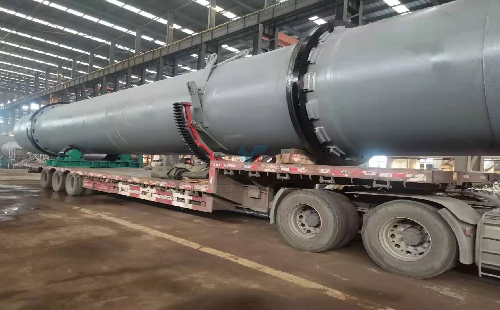
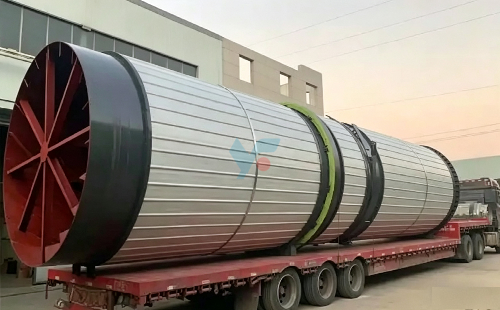
Slag Rotary Dryer
The belt weigh feeder (belt weighing dosing feeder) is a specialized dynamic metering device designed for the continuous weighing, batch feeding and proportioning of various bulk, granular and powdered materials. The equipment not only helps reduce raw material losses but also significantly improves the efficiency of production metering and dosing.
Description
The belt weigh feeder is automated equipment for the continuous weighing of bulk materials. Static metering error ≤0.2%, dynamic cumulative error ≤1%, capacity 0.5~800 t/h, conveying distance up to 10 m, control accuracy ≥99.9%.
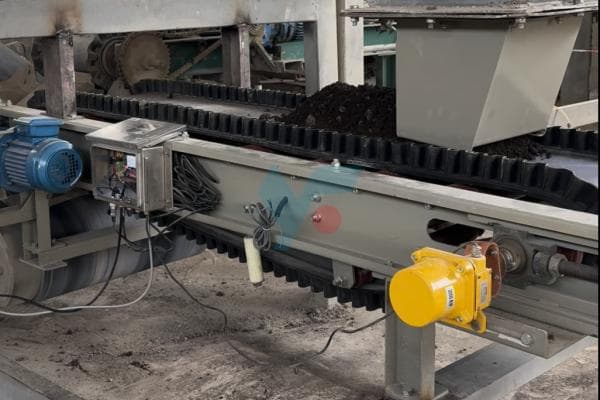
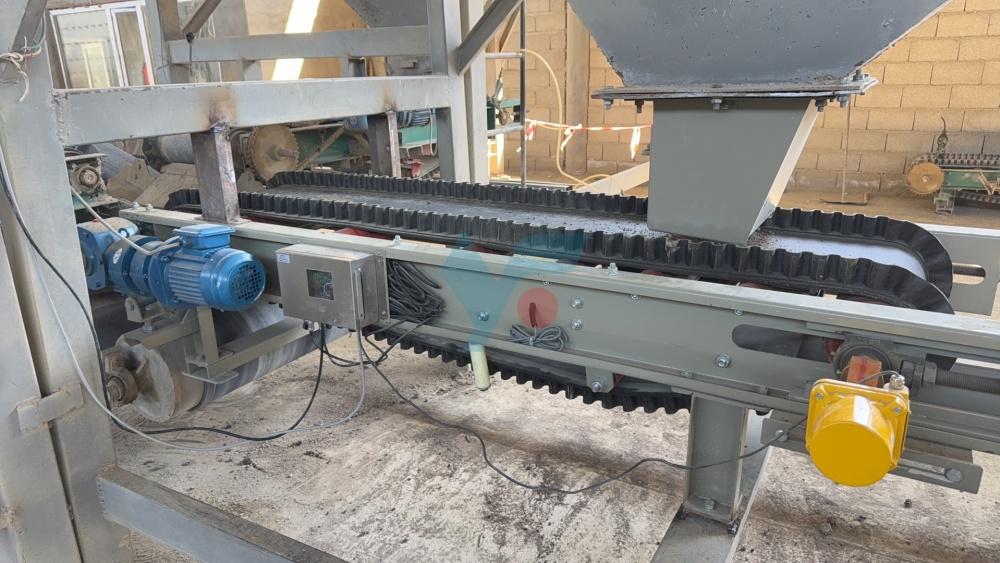
The belt weighing feeder consists of a drive unit, frame, sensors, material distributor, tensioning device and belt.
The drive unit includes an electric motor, a reducer and a coupling assembly with the drum. It drives the drum into rotation, ensuring movement of the belt.
The frame serves to support all assemblies and the drive system; it is made of welded profile structures.
The sensors are important elements designed to detect the weight of the material on the belt.
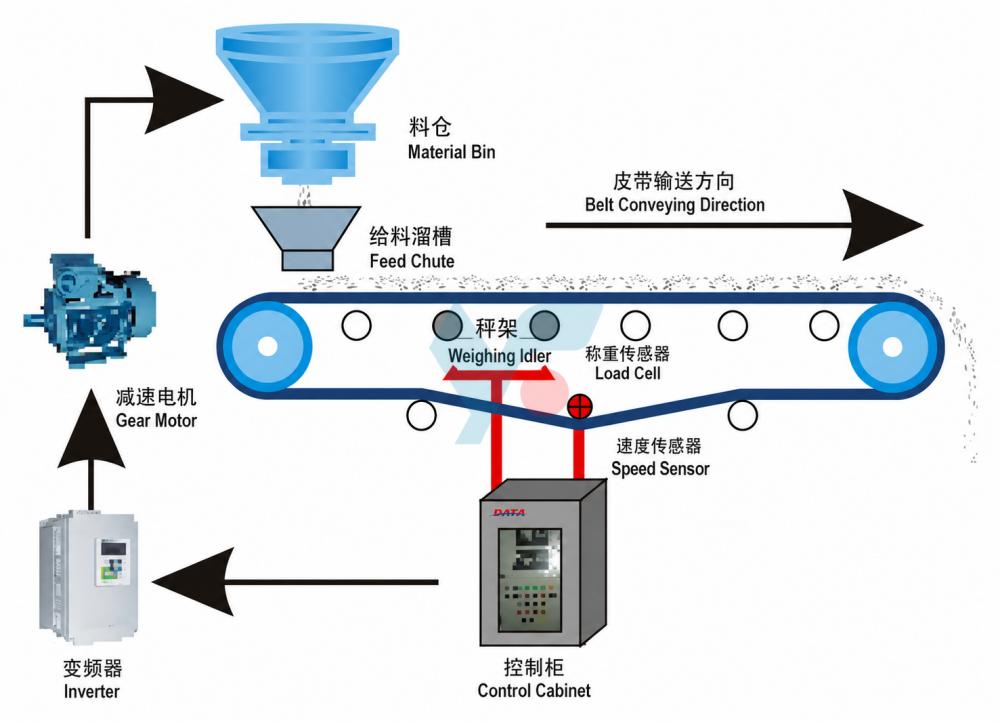
The material distributor is used to adjust the height of the material layer on the belt surface.
The tensioning device is intended for adjusting the belt tension and preventing its misalignment.
The belt is used to transmit motion and to convey the material.
Field of application
Widely used in the industries of building materials, cement, the chemical industry, the coal industry, the mining industry, ceramics, glass production, metallurgy, grain processing, fertilizer and feed production, the port industry, power, coking and the environmental protection industry, etc.
Main advantages
- Dynamic weighing technology, calibration accuracy ≤±0.2%, long-term accuracy ≤±0.5%.
- High-precision, high-performance and reliable weighing controller with an advanced control algorithm and an effective anti-interference protection system.
- High-quality components are used; the load cells are from well-known imported brands.
- Possibility of individual design in accordance with the process requirements and operating conditions.
- A unique electronic automatic calibration or weight-based calibration function makes it possible to verify the measurement accuracy at any time.
Working principle
The weight signal of the material on the belt and the signal of the belt movement speed are simultaneously transmitted to the microprocessor controller, which automatically calculates the instantaneous material flow rate.
By continuously comparing the set flow rate with the actual flow rate, the system regulates the belt movement speed, ensuring that the actual material flow is maintained at the set level.