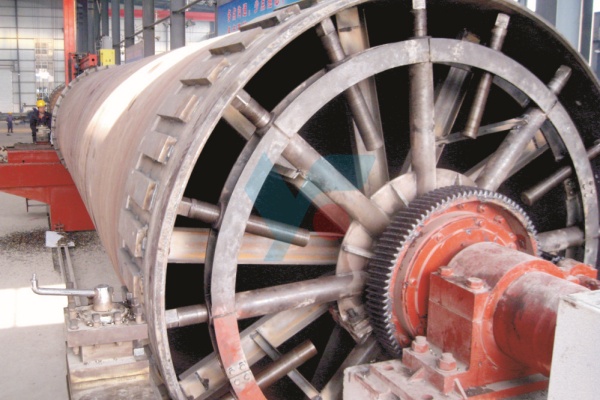
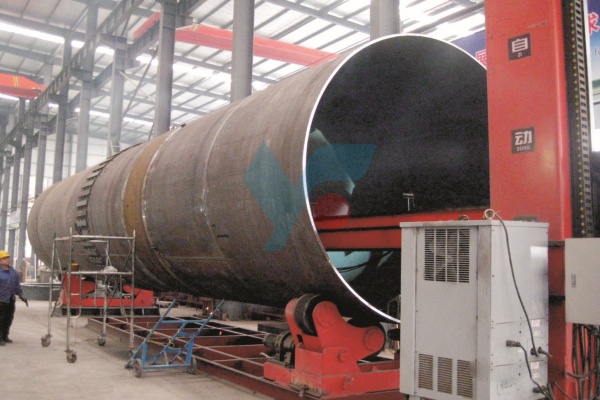

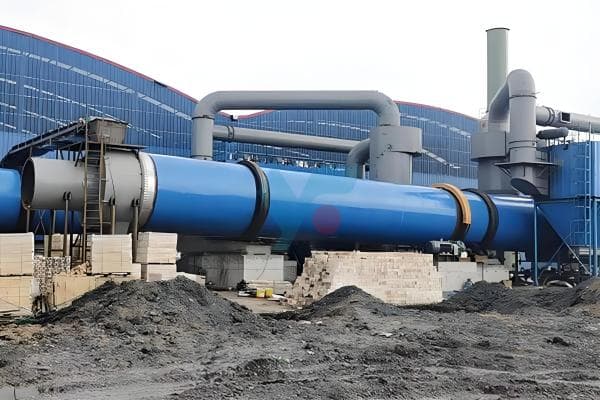
Slag Rotary Dryer
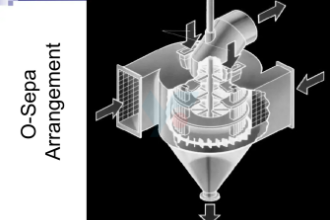
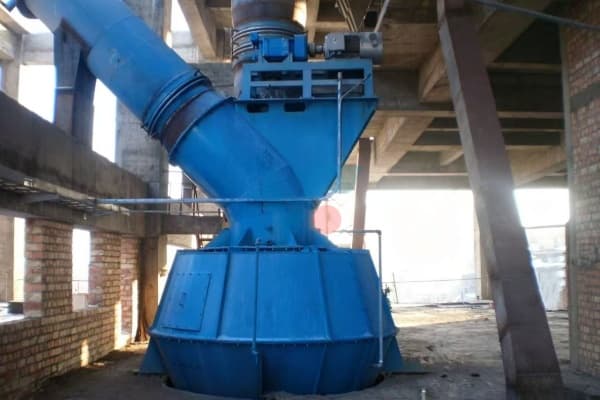
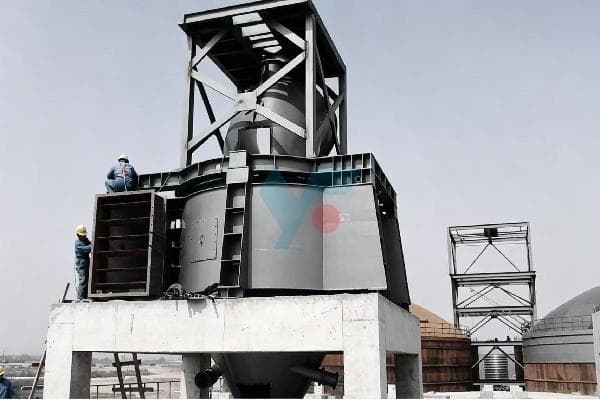
The O-SEPA separator is a cement separator for high-efficiency separation in ball mills, which efficiently separates cement.
Model: N-350~N-5000
Capacity: 9~300 t/h
The O-SEPA separator is a third-generation high-efficiency classifier separator that uses an air vortex formed in the horizontal direction inside the separator to classify materials. Since its performance surpasses traditional powder separators, it is currently widely used in cement closed-circuit grinding systems.
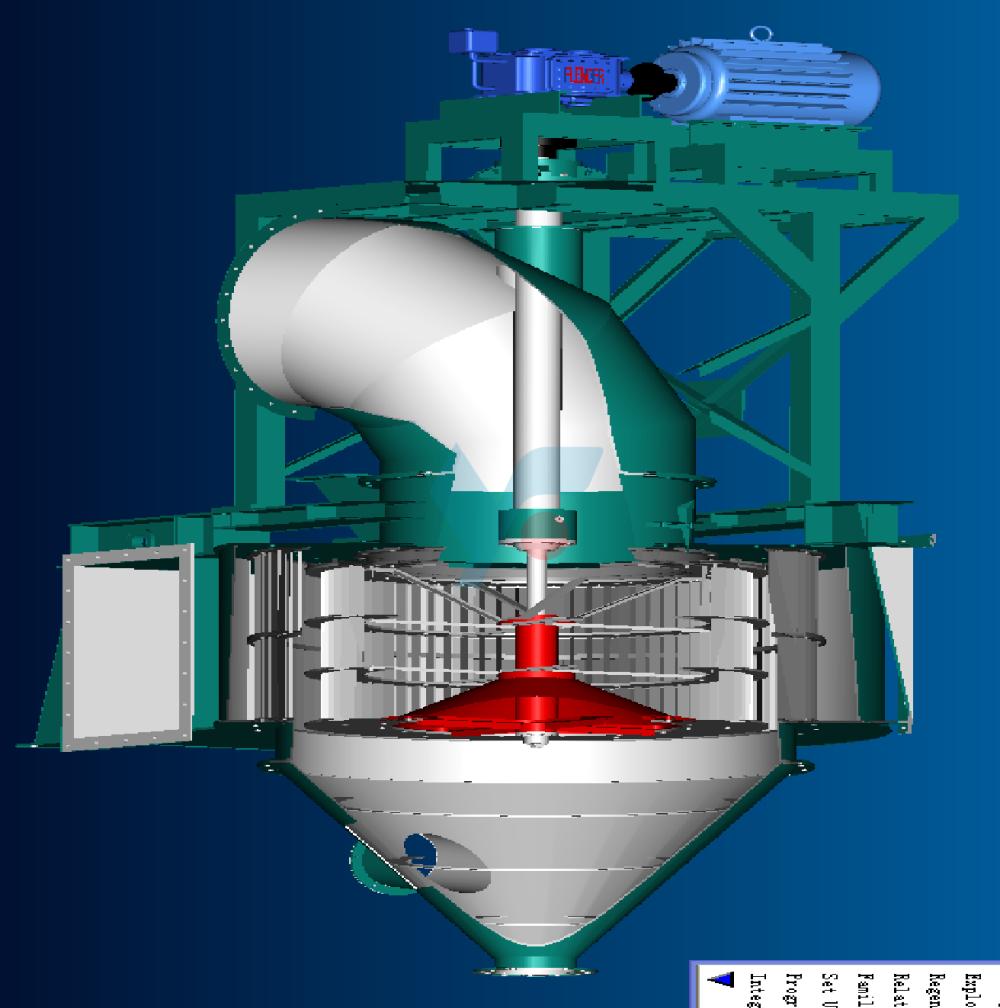
Description:
The high-efficiency O-sepa air classifier separator, also known as the horizontal vortex separator, is sorting equipment that uses the principle of a horizontal air vortex to classify powder. It is suitable for powdered materials in the cement industry or equivalent materials in other industries. Compared with traditional air-powder classification equipment, it is distinguished by high efficiency, a large amount of processed material, a narrow product particle size range, ease of operation and convenient particle size adjustment. The O-SEPA horizontal eddy-current separator mainly consists of a drive part, a rotating part, a housing, a lubrication system and an electronic control part.
Advantage:
- Increase production.
The capacity of the grinding system can be increased by 30–50%. - Reduce energy consumption.
Energy consumption per unit of product can be reduced by 5–20% or more. - Improve the quality of the finished product and reduce production costs.
Since the O-SEPA horizontal eddy-current separator has a good classification and powder selection effect, the finished product contains fewer coarse particles, and the content of particles ranging from 3 to 30 μm is increased, which contributes to improving cement quality and helps improve the cement strength grade. While keeping the cement strength grade unchanged, the amount of additive can be increased and the amount of clinker reduced to lower costs. - Simple control and convenient fineness adjustment.
The main motor and the lubricating oil station of the O-SEPA series separator can be controlled remotely, which makes operation very convenient. By simply adjusting the speed of the main motor, the fineness of the product can be changed and the particle distribution of the product adjusted over a wide range. - Insignificant wear, ease of maintenance.
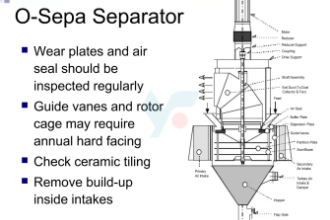
The wear parts of the O-SEPA separator, such as the dispersing plate, the buffer plate, the air-duct vanes, the rotor blades, etc., are made of wear-resistant materials or treated with anti-wear technology, and the wear rate is very low. As a result, it has a long service life and low maintenance costs. - Large processing capacity.
Given that the volume and size are similar, its material processing capacity is much greater than that of centrifugal and cyclone powder separators, so it is more suitable for large-scale production, and its classification characteristics are very stable.
Working principle:
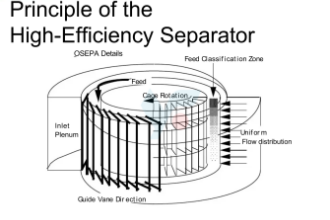
The material is fed in from the feed pipe and, under the action of the centrifugal force of the dispersing plate, is thrown out in the radial direction; after hitting the buffer baffle and being dispersed, it enters the powder selection zone. The powder-selection air flow enters along the horizontal scroll from the tangential primary-air inlet and the secondary-air inlet and reaches the powder selection zone through the stationary guide vanes. The horizontal rotating turbine, consisting of vortex blades and horizontal baffles in the powder selection zone, maintains a constant difference between the internal and external pressure throughout the powder selection zone, thereby making the powder-selection air flow stable and uniform. The selected fine powder is discharged from the air-outlet pipe together with the air flow and is collected by a dust collector outside the machine, becoming the product; the coarse powder falls along the cone of the ash collection hopper and is discharged from the discharge device.
The O-Sepa separator operates under negative pressure, and the powder-selection air can be dust-laden gas, external air or a mixture of the two types of air. Since the primary and secondary air enters the powder separator in the tangential direction through the corresponding air intakes, the tertiary air enters the powder separator from several directions in the lower ash hopper. The primary and secondary air passes through the stationary guide vanes and rotors at a certain angle. The grid forms a vortex, and the air flow separates the material into coarse and fine powder.