

Cement Mill
Description:
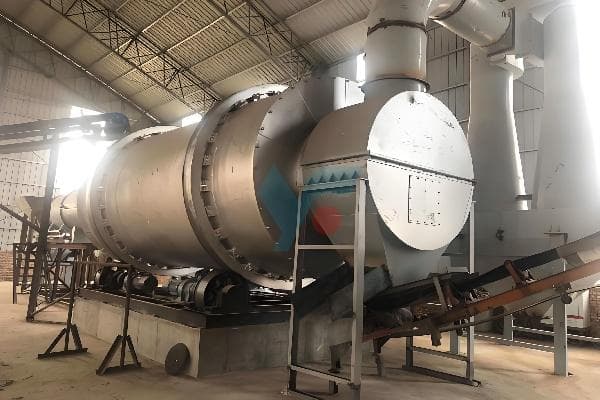
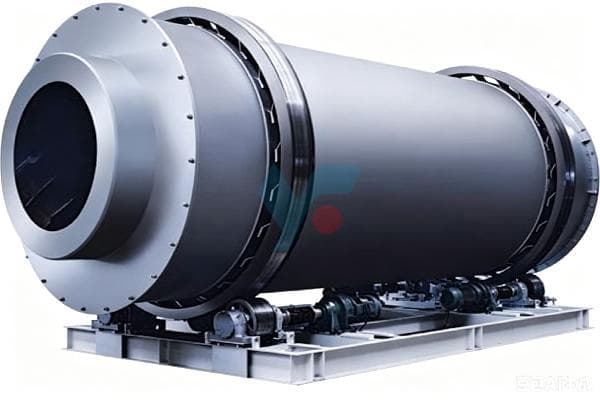
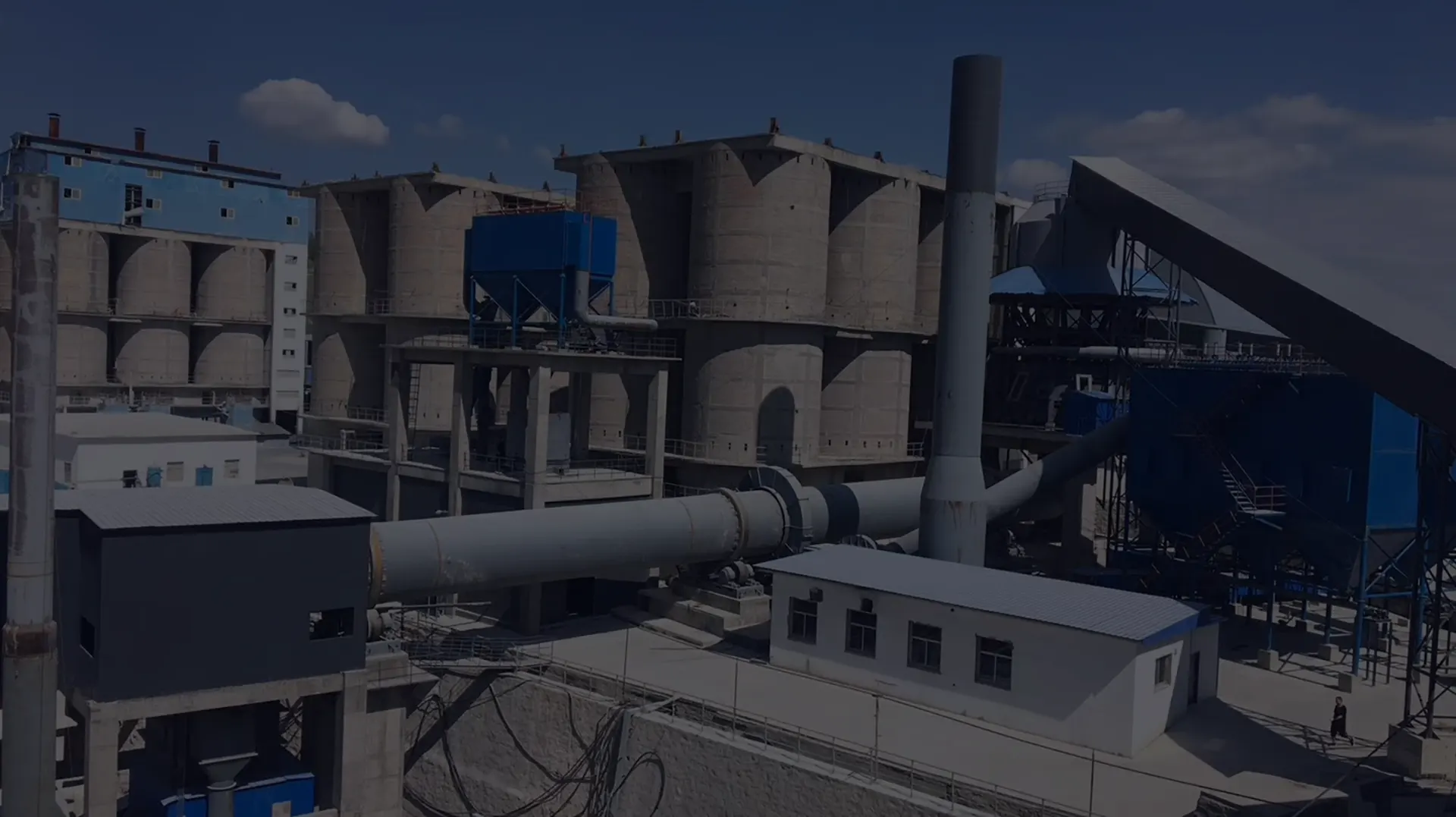
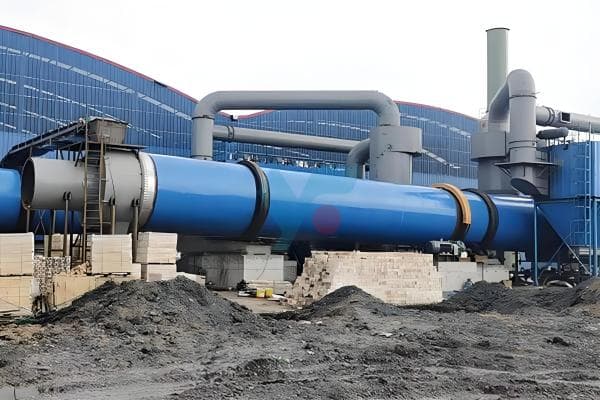
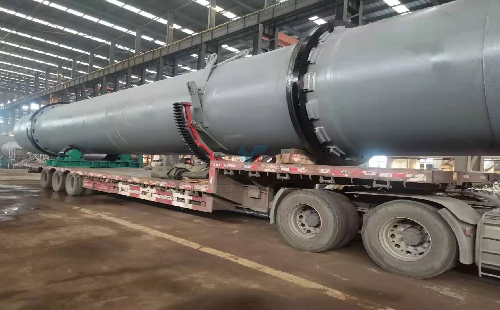
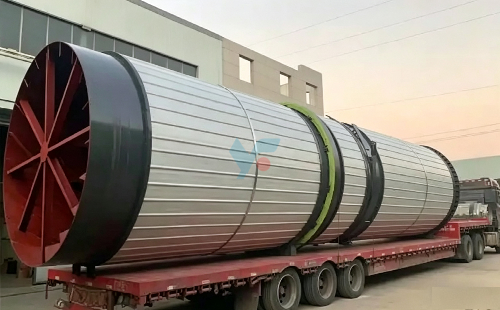
The slag rotary dryer (slag dryer) is a rotary-type drum drying unit widely used in the building materials, metallurgy, mineral processing, chemical and cement industries to handle materials such as slag, carbide slag, limestone, clay, river sand, quartz sand, granulated blast-furnace slag and others.
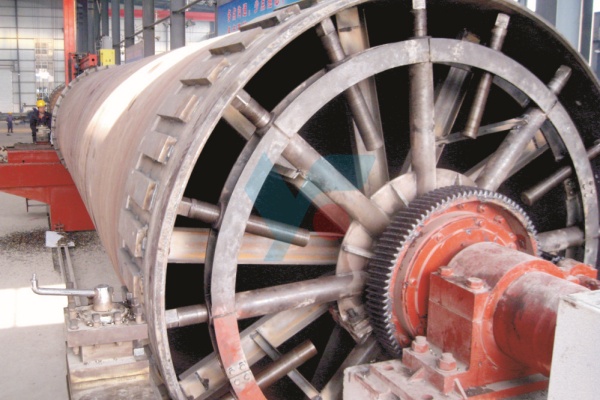
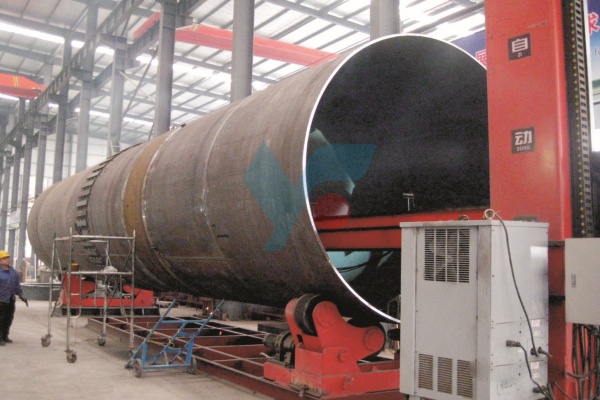
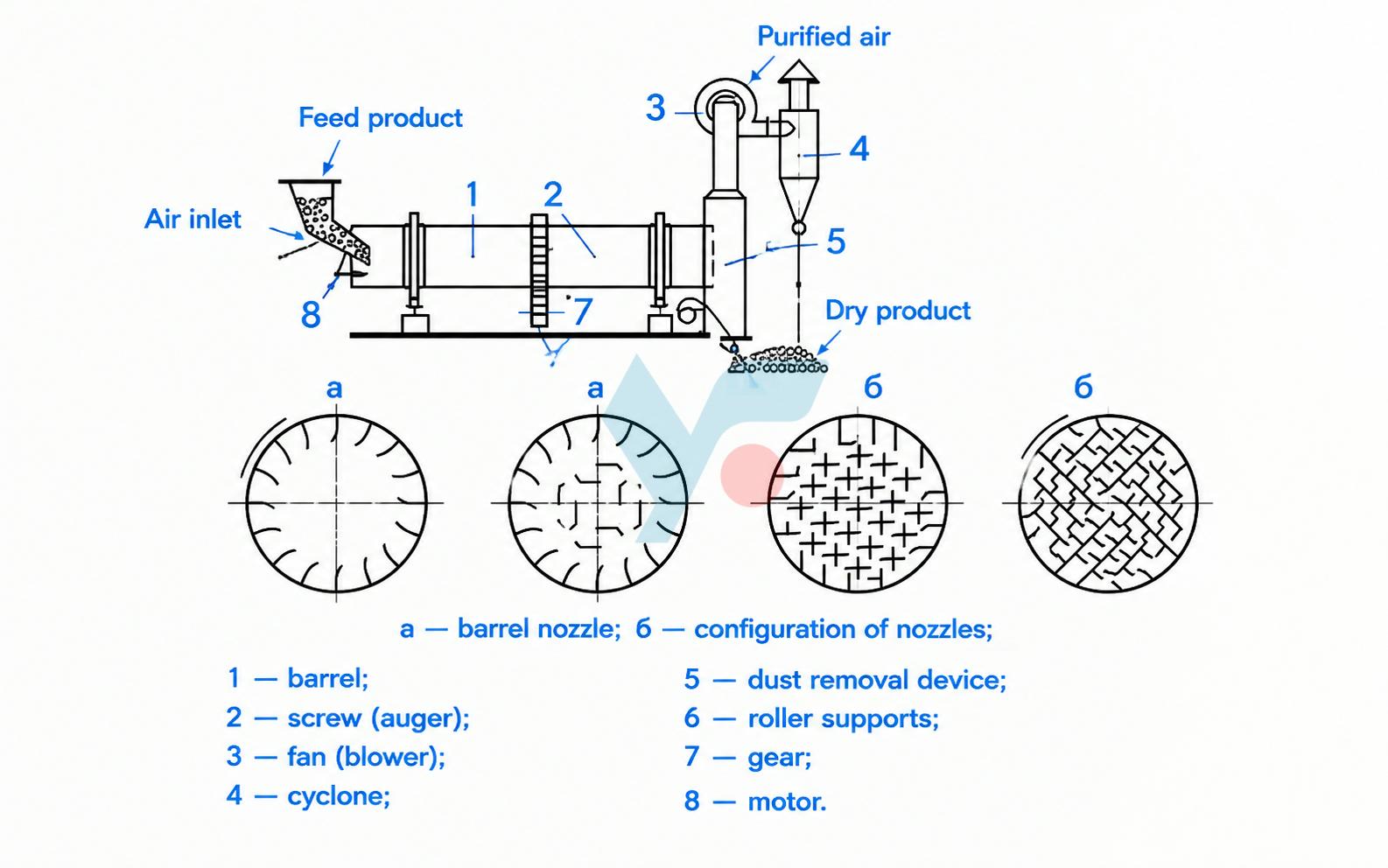
The equipment mainly consists of a rotating drum, an air-induction (exhaust) system, a high-speed material loosening device, lifting flights, a self-cleaning system, a drive and other components.
The working principle is as follows: the wet material is fed from the higher end of the drum and enters into counter-current contact with the heat carrier (such as hot air or flue gas) entering from the lower end. As the drum rotates, the material is continuously lifted and scattered by the lifting flights, so that intensive heat exchange takes place and the material is dried.
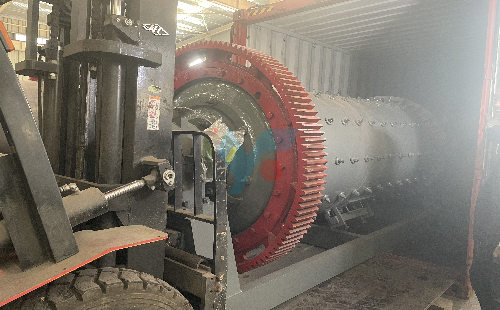
The slag dryer features large capacity, high overload resistance, a high heat-transfer coefficient and low energy consumption. The transmission mechanism can be equipped with gears that have replaceable pin-mounted teeth, as well as a new multi-function combined material-lifting device, which effectively eliminates the "wind-tunnel" effect characteristic of conventional drying units.
After drying, the material can be used together with gypsum and cement clinker to produce cement, and can also serve as raw material for the manufacture of special glass, ceramics and other products.
Structure:
The slag rotary drum dryer mainly consists of a drive device, a support device for the supporting rollers, a thrust device for the supporting rollers, the cylinder, and so on.
Working principle:
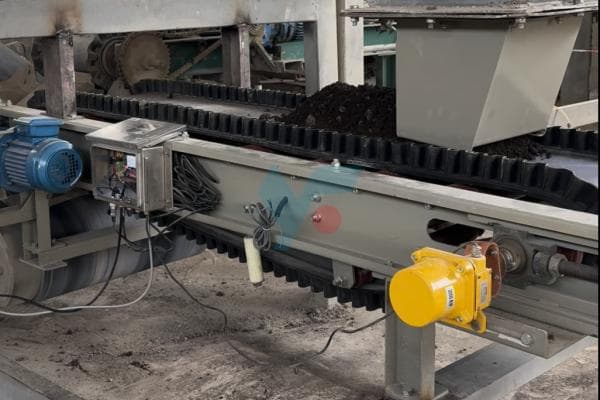
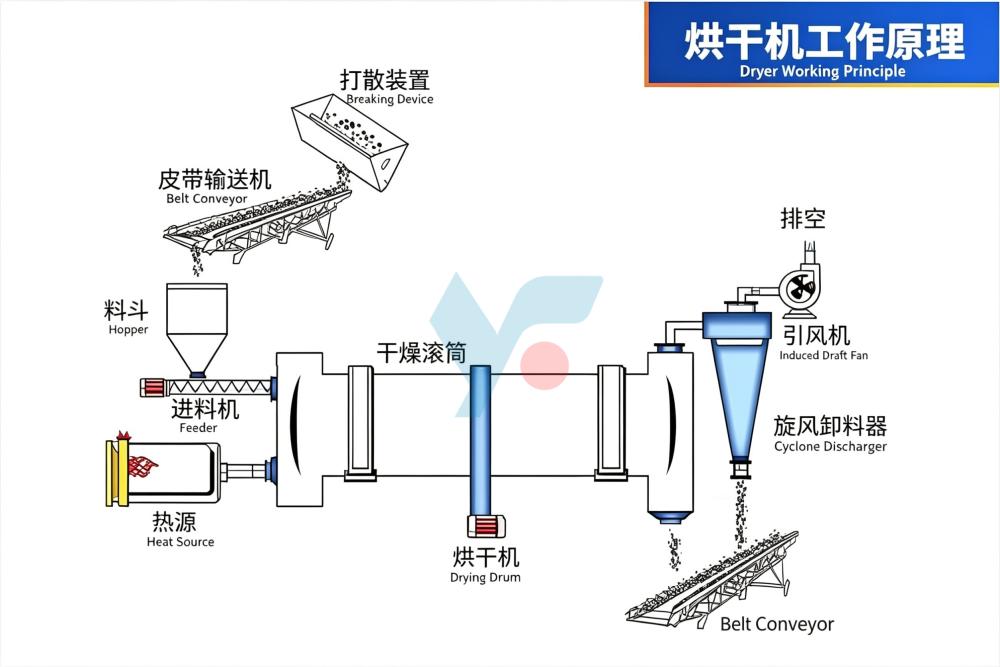
- The slag is delivered by a belt conveyor or bucket elevator into the hopper, and then passes through the hopper's feeder along the feeding pipeline into the feeding end of the dryer.
- The inclination angle of the feeding pipeline must be greater than the natural angle of repose of the material, so that the material can flow smoothly into the dryer for mineral materials.
- The drum of the dryer is a rotating cylinder installed at a slight incline to the horizontal. The material is fed from the higher side, while the heat carrier enters from the lower end and moves towards the material (counter-current). It is also possible for the material and heat carrier to enter the drum simultaneously from the same side (co-current). The main ways the material contacts the hot air include: the counter-current mode (material fed from the upper end, hot air from the lower end); the co-current mode (material and hot air fed from the same side). When using the co-current drying method, the dryer outlet temperature is lower and the thermal efficiency is higher.
- As the drum rotates, the material moves under gravity towards the lower end. While the wet material moves forward inside the drum, it directly or indirectly receives heat from the heat carrier, by which the drying process takes place. After that, the dried material is discharged through a belt or screw conveyor.
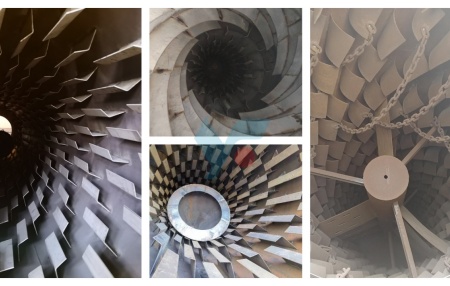
- Lifting flights are installed on the inner wall of the slag dryer drum, whose task is to lift and scatter the material, increasing the contact area between the material and the hot-air flow. This increases the drying rate and promotes the forward movement of the material. The lifting flights (also called lifters or paddles) usually have a multi-combination design. Their function is not only to lift and scatter the material to increase the heat-exchange area, but also to enhance the cleaning of the already loosened material and improve heat transfer. This eliminates material sticking on the inner walls of the drum and effectively overcomes the "wind-tunnel" effect characteristic of conventional dryers, ensuring more uniform and efficient heat exchange.
- After passing through the drying unit, the heat carrier (usually hot air or flue gas) is directed into a cyclone dust collector to capture the material particles contained in the gas flow.
During drying, the key parameters must be controlled to ensure drying efficiency and material quality. If the gas velocity in the drying chamber is too low, droplets of material may rise upward into the high-temperature zone, leading to deterioration of product quality. The recommended gas-flow velocity is about 0.5 m/s.
The temperature of the exhaust gas directly affects the material temperature, so to regulate it the inlet hot-air temperature must be reduced or the volume of sprayed liquid increased, in order to keep the material temperature within the required range.
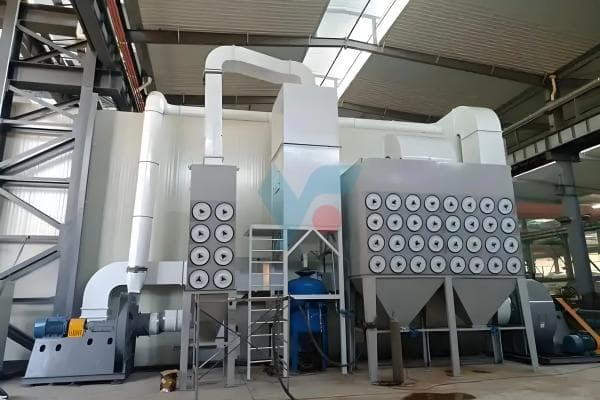
To further reduce the dust content in the exhaust gas before discharge into the atmosphere, it is recommended to use a bag filter or a wet dust collector.
Production-line equipment
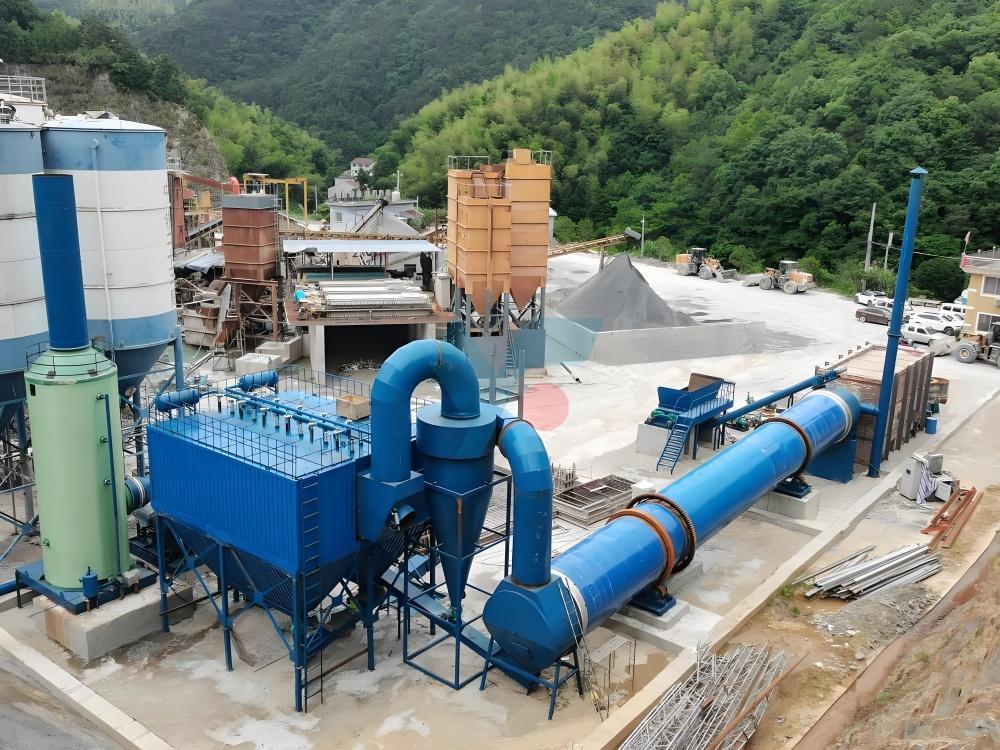
The slag drying line mainly consists of the following units and equipment: a rotating drum, an air-induction system, a high-speed material loosening device, lifting flights, a self-cleaning system, a drive mechanism, conveying equipment, a hot-air system, a reducer, support devices and sealing elements.
Depending on the user's needs, the production line can also be equipped with bucket elevators, belt conveyors, dosing feeders and other conveying equipment, as well as heat-generating devices such as a gas generator and a combustion chamber.
In addition, the exhaust-gas cleaning system usually includes a cyclone dust collector, and can additionally be equipped with a bag filter or a wet dust collector if required.
This production line is an integrated system that combines the listed units and equipment for the efficient drying of slag and other materials.
Field of application
The slag dryer is suitable for processing materials with high moisture content and high bulk density, such as:
- slag;
- limestone;
- clay;
- river sand;
- quartz sand;
- granulated blast-furnace slag;
- coal slime;
- sewage sludge and other moist materials.
The equipment is widely used in the building materials, metallurgy, mineral processing, chemical and cement industries.
The slag dryer is suitable for drying materials with different moisture levels: low, medium and high.