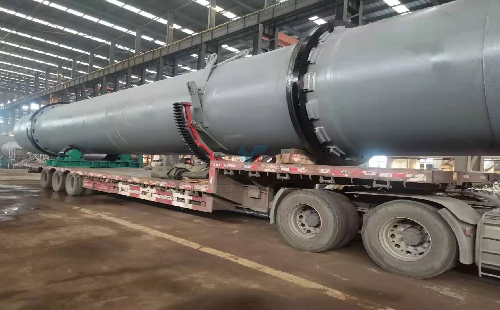
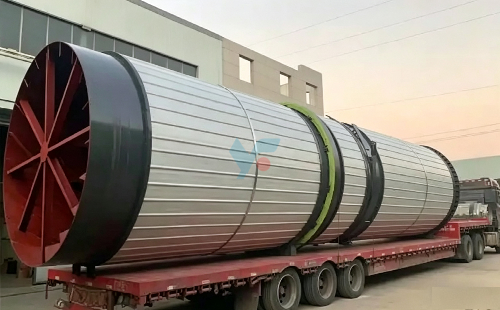
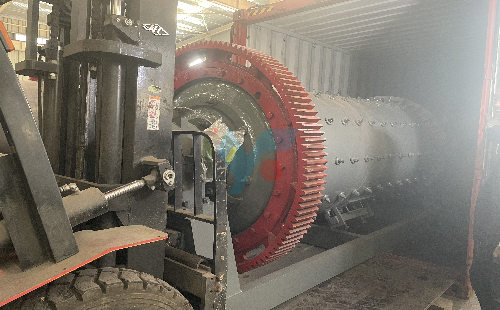
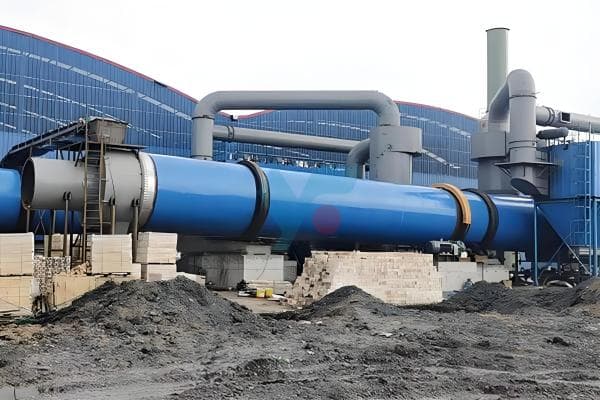
Slag Rotary Dryer
Description
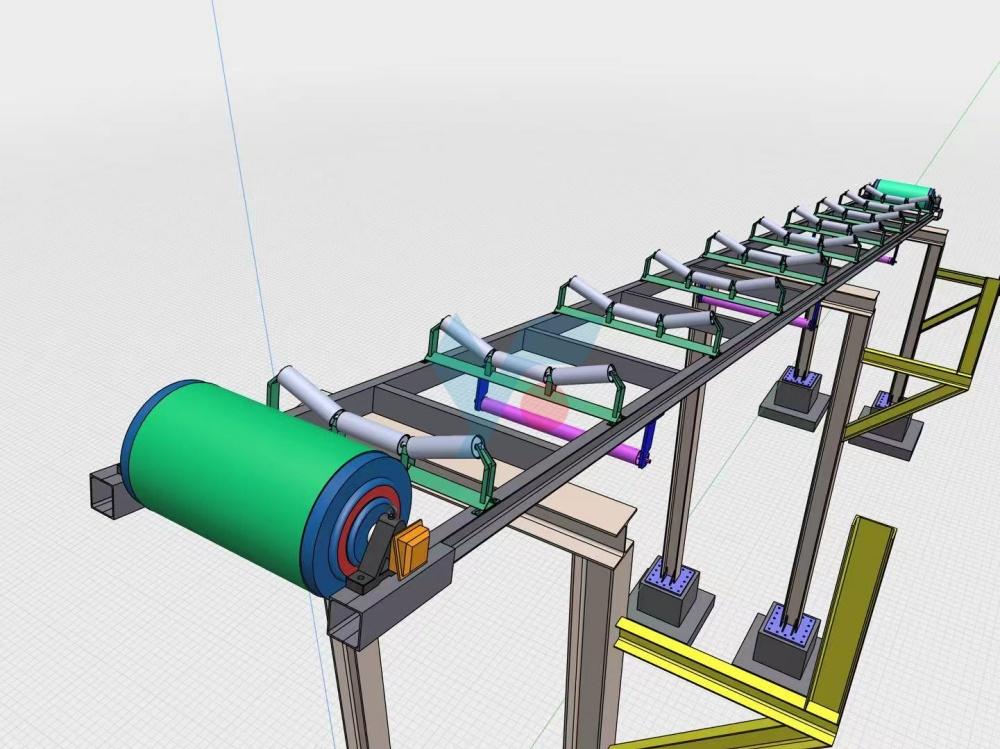
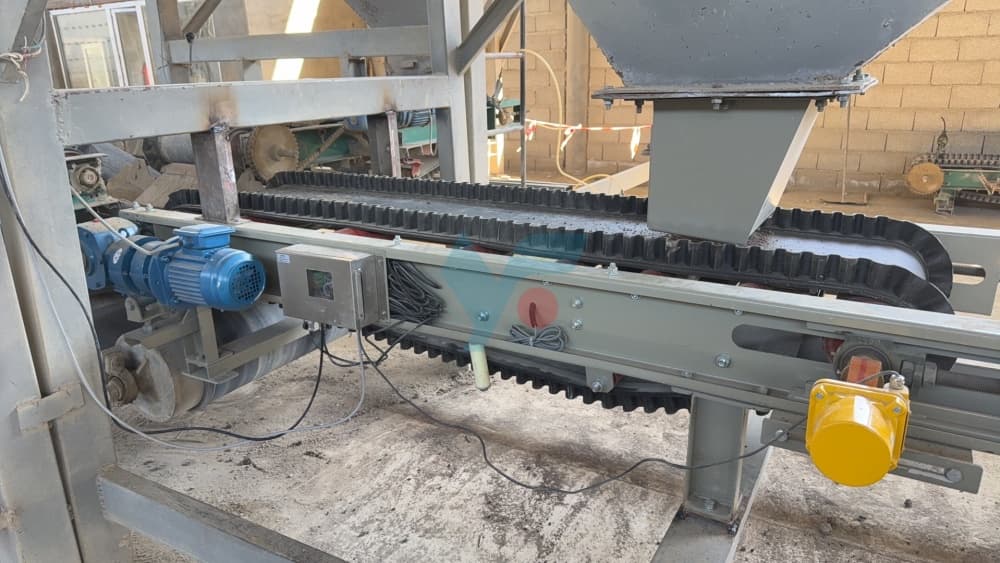
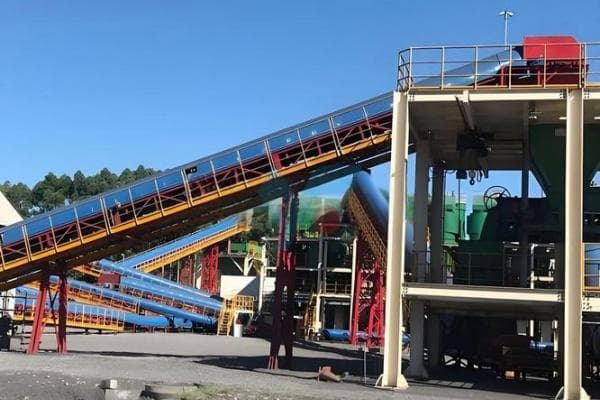
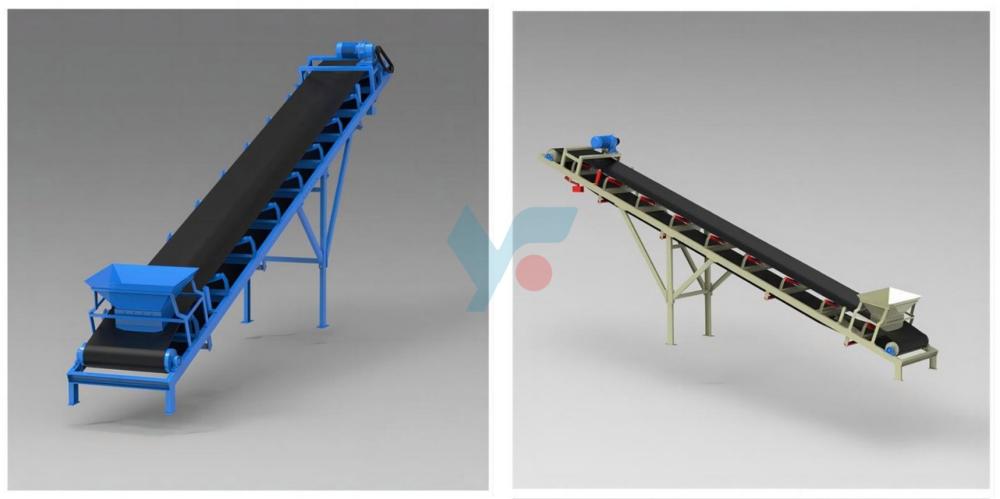
The belt conveyor is continuous-handling equipment in which the conveyor belt serves as the traction and load-carrying member. It is suitable for the horizontal and inclined transport of bulk materials and unit loads. The equipment features high capacity, stable operation, low energy consumption, a simple structure and easy maintenance, enabling continuous long-distance conveying.
Belt conveyors are widely used in the mining, building-materials, cement, metallurgical, coal, chemical, power, port and grain-processing industries for conveying ore, coal, cement, sand, gravel, clinker, grain and other materials.
Working principle
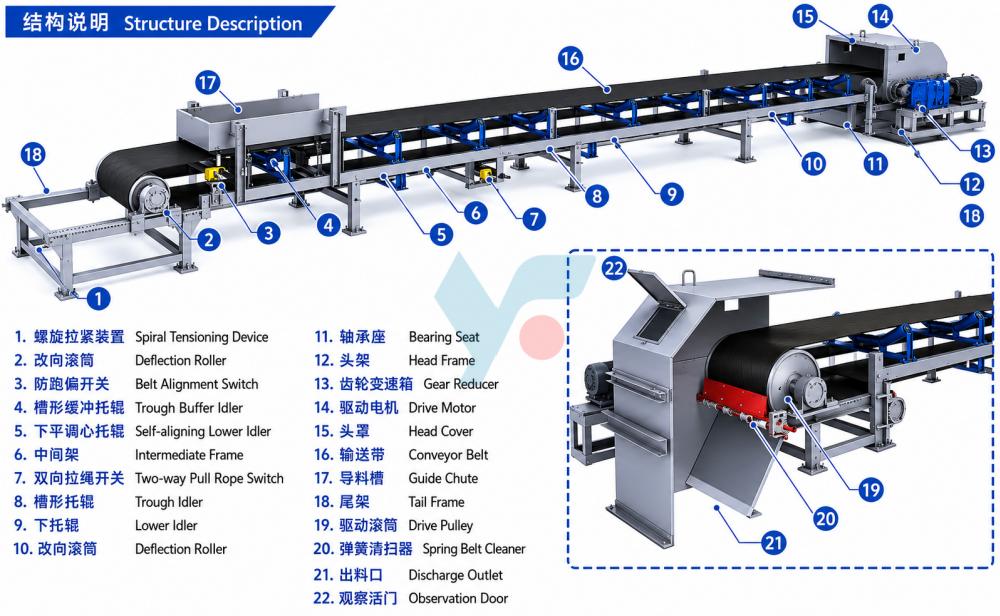
During operation, the motor drives the head pulley to rotate through a reducer. The friction between the pulley and the conveyor belt sets the belt in motion, thereby achieving continuous material transport. Material enters the belt through the loading port, runs steadily during conveying and is automatically discharged at the discharge end.
Main advantages
- Large conveying capacity, suitable for continuous long-distance transport.
- Stable operation, low noise and low energy consumption.
- Simple structure, easy to install and maintain.
- Horizontal, inclined or curved conveying can be achieved according to operating conditions.
- Good sealing performance, reducing dust pollution.
- Can be equipped with variable-frequency speed control, automatic control and belt anti-deviation devices.
- Different types of belt can be selected according to material properties: heat-resistant, wear-resistant, anti-slip and so on.