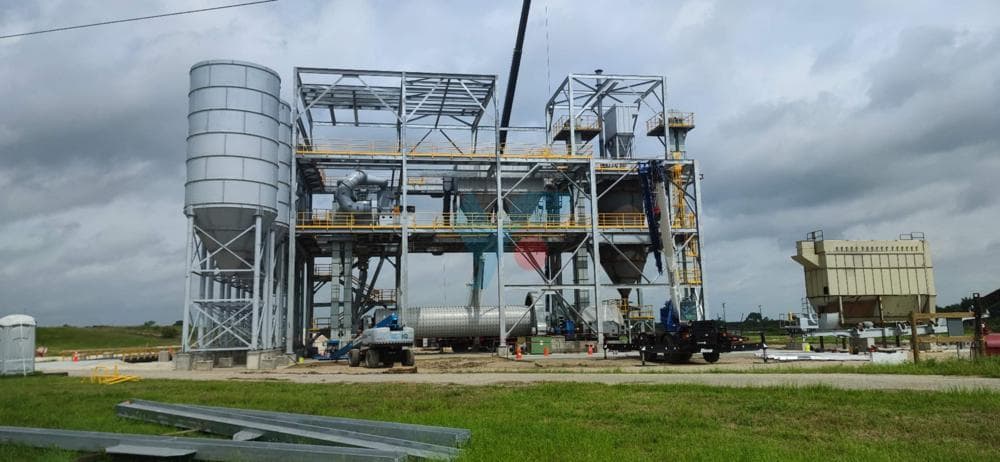
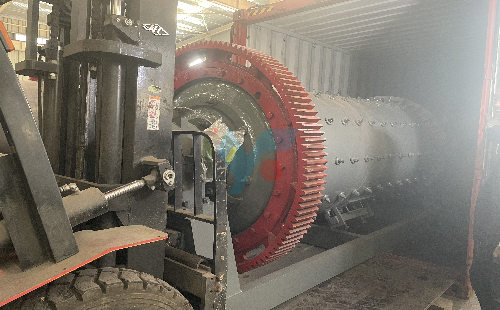
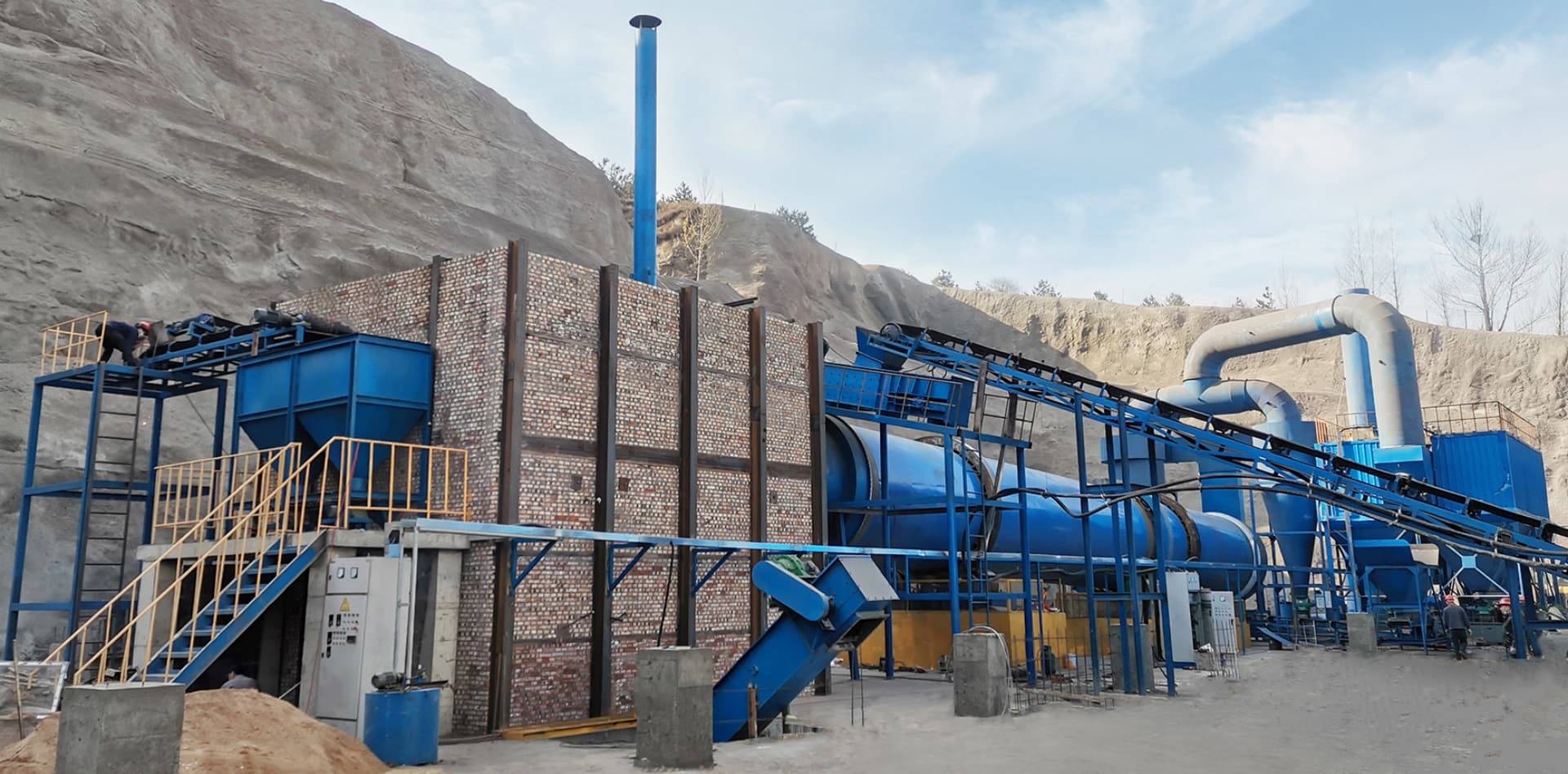
Mineral Powder Drying and Classification Line
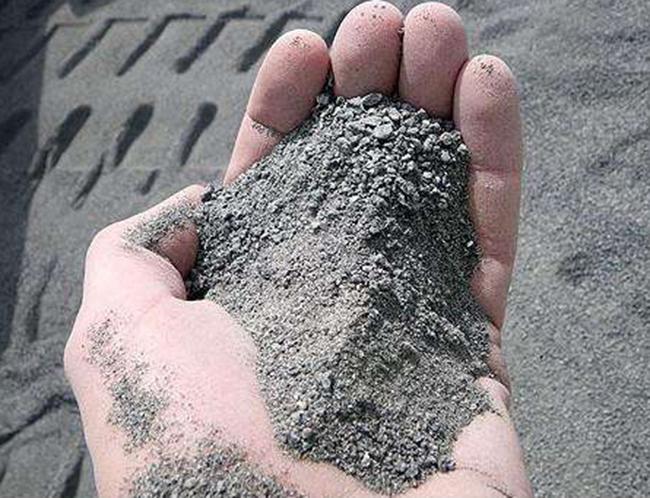
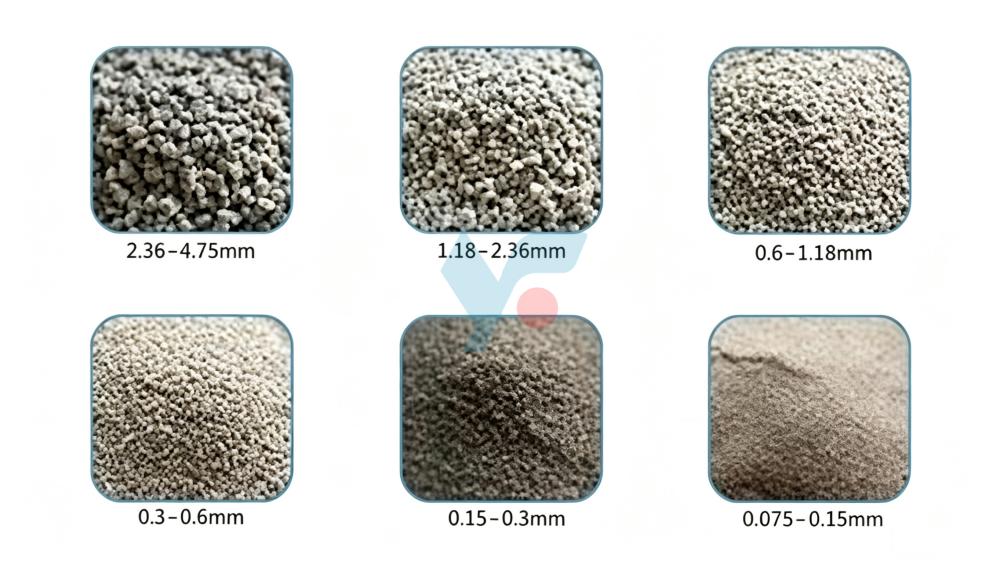
Its core function is to separate the excess dust fraction (<75 μm) from the finished sand in order to improve the grain composition and quality of the sand so that it meets construction standards, for example for concrete.
Areas of application
- crushed-stone and sand-and-gravel material production plants;
- artificial sand production lines;
- the cement and mining industries;
- an auxiliary system at concrete batching plants.
Main functions
- 1. Removal of the dust fraction (depowdering) — removal of the excess stone powder, which negatively affects the strength and workability of concrete.
- 2. Classification (particle-size control) — regulation of the grain-size composition of the sand so that it meets the standards.
- 3. Quality upgrading (increasing product value) — increasing the market value of the sand and its competitiveness.
- 4. Environmental protection (dust collection) — fitting a dust-collection system to ensure environmentally clean production.
Main process flow
Raw sand → feeding (belt conveyor) → separation equipment (separator / classifier) → coarse sand output (finished product) → fine fraction (stone powder) enters the dust-collection system → dust collection (bag filter).
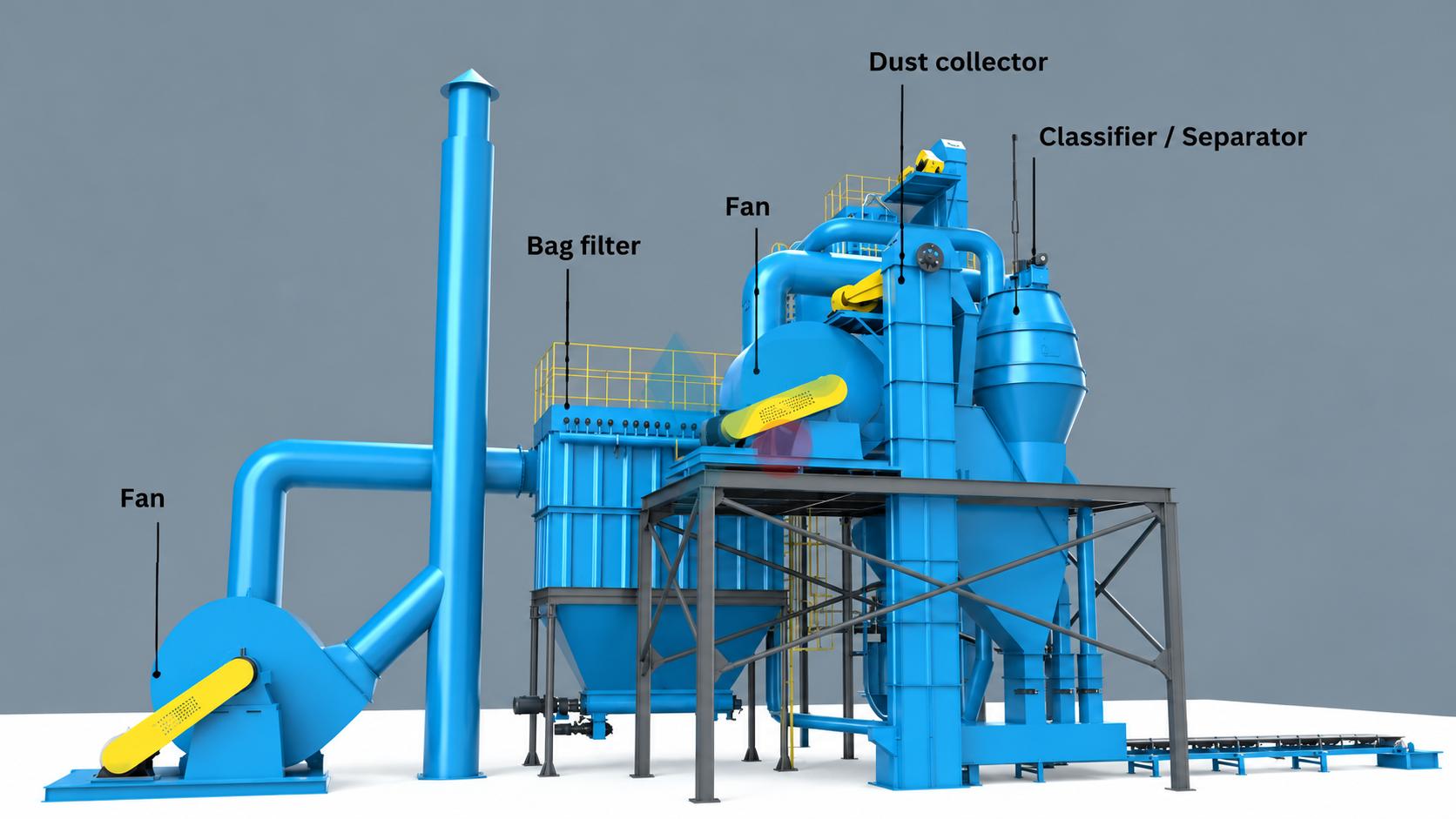
Finished products are divided into:
- qualified sand (the main product);
- stone powder (a by-product, which can be reused).
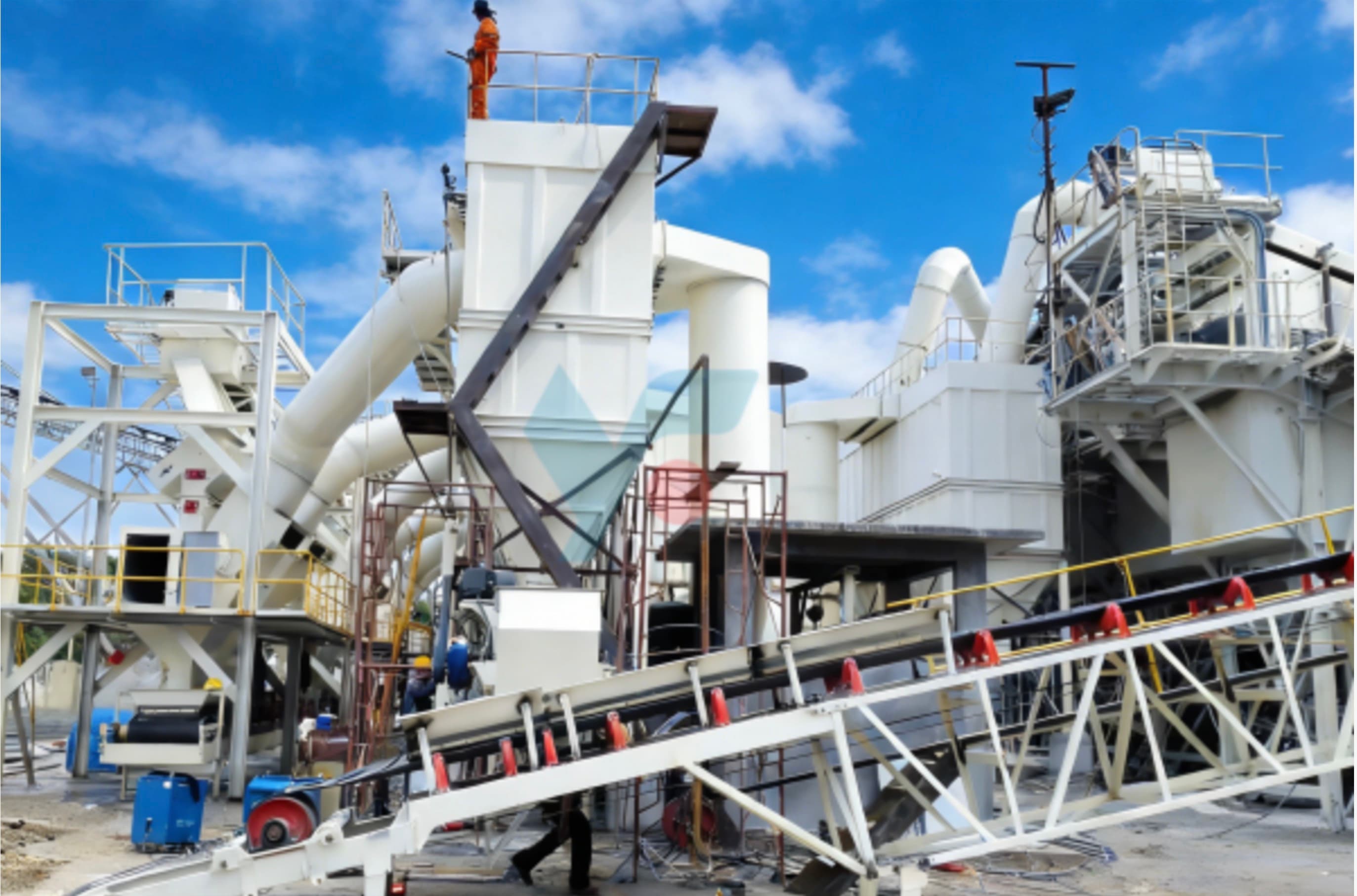
Main equipment
1. Feeding and conveying system
- vibrating feeder;
- belt conveyor.
2. Separation system (key unit)
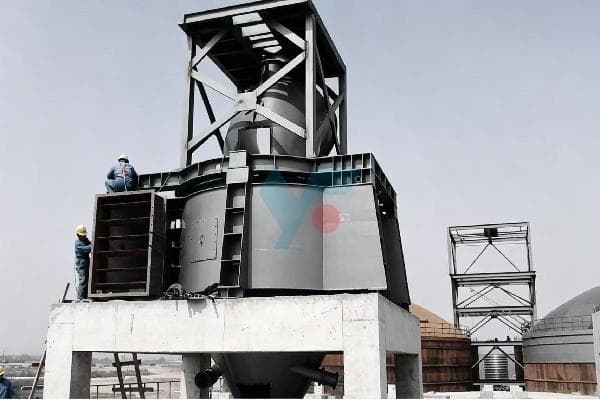
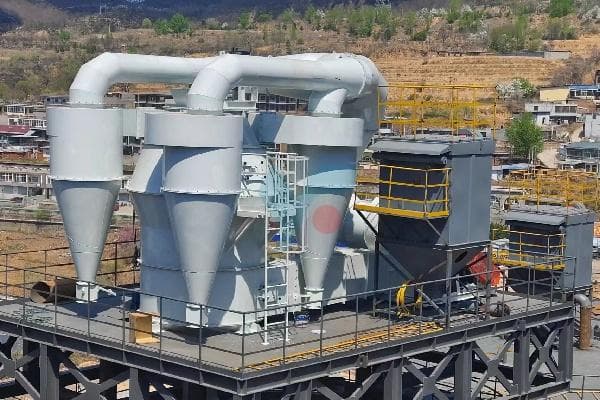
- high-efficiency separator / air classifier — determines the precision and efficiency of separation.
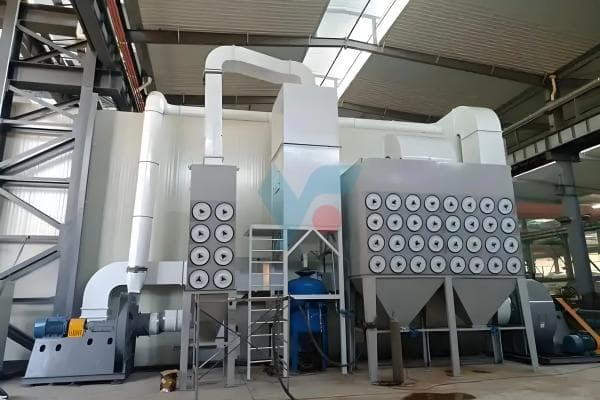
3. Dust-collection system
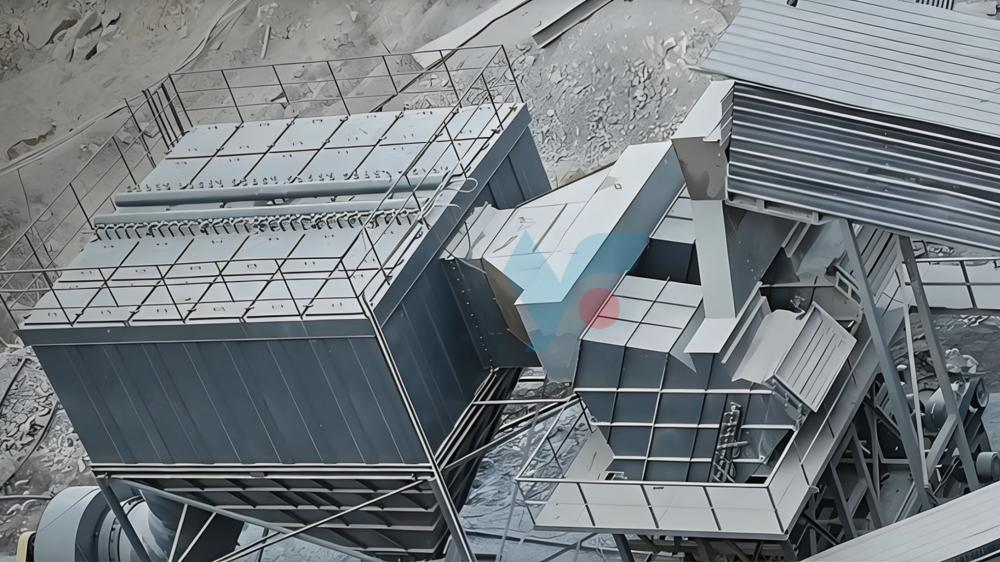
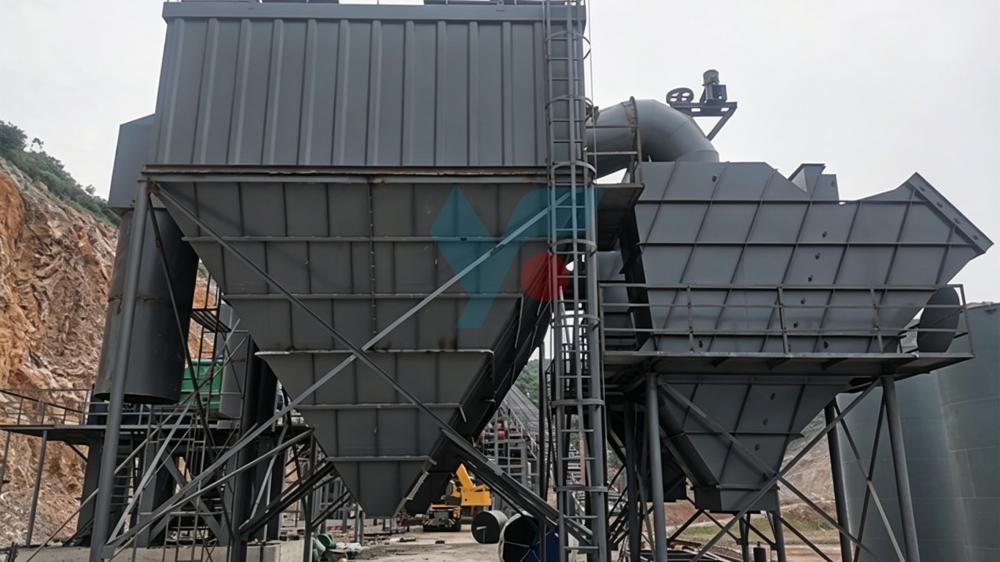
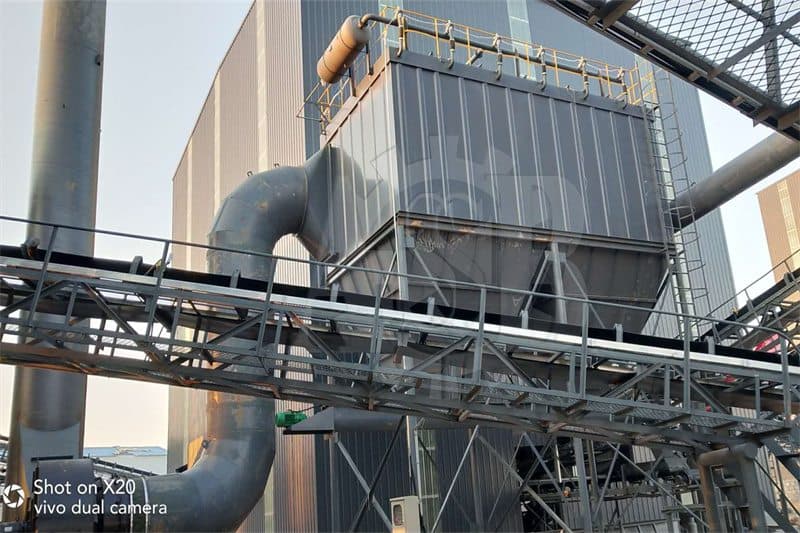
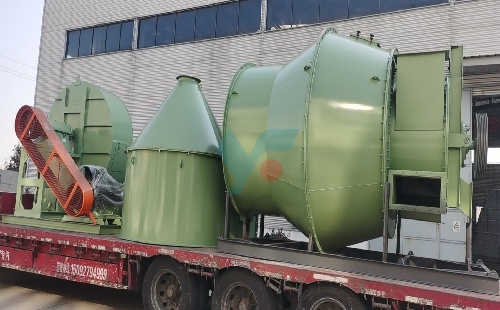
- pulse-jet bag filter;
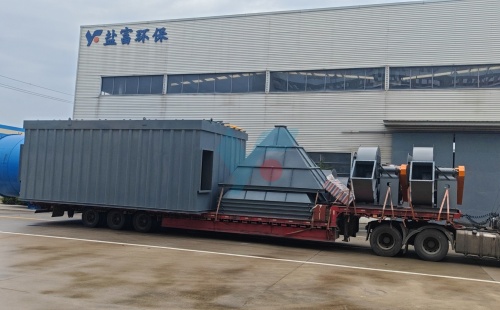
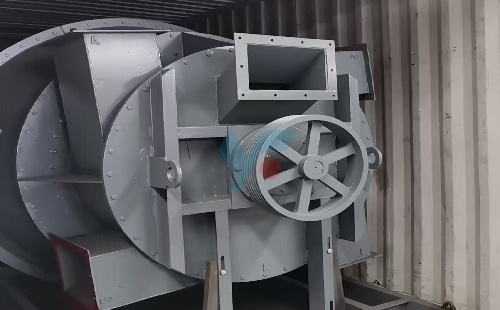
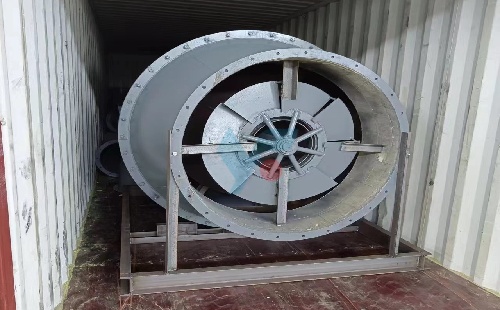
- fan system.
4. Control system
- automatic PLC-based control;
- air-volume regulation by means of a frequency converter.
Technical advantages
- dry process, requires no water (energy saving and environmentally friendly);
- high separation precision, adjustable dust content;
- high level of automation, stable operation;
- low investment costs, easy maintenance;
- can be integrated with existing production lines.