
Cement Mill
Description:
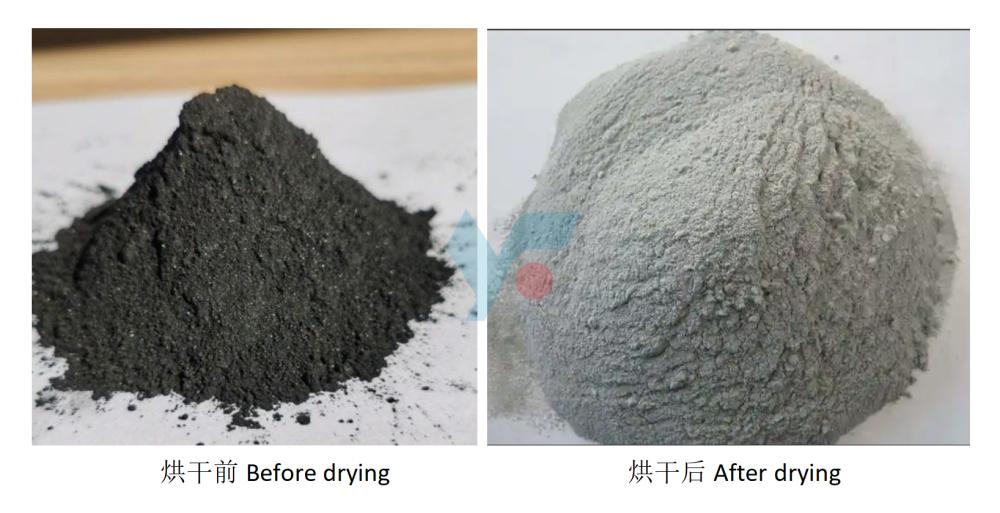
Fly ash is a volcanic-ash-like mixed material formed after the high-temperature combustion of coal powder. At coal-fired power plants, coal is ground into powder finer than 100 microns and injected together with preheated air into the furnace, where it burns in a suspended state, producing high-temperature flue gas mixed with a large amount of non-combustible matter. After being captured by the dust-collection device, fly ash is obtained. The chemical composition of fly ash is similar to that of clay, with its main components being silicon dioxide, aluminum oxide, iron oxide, calcium oxide and unburned carbon.
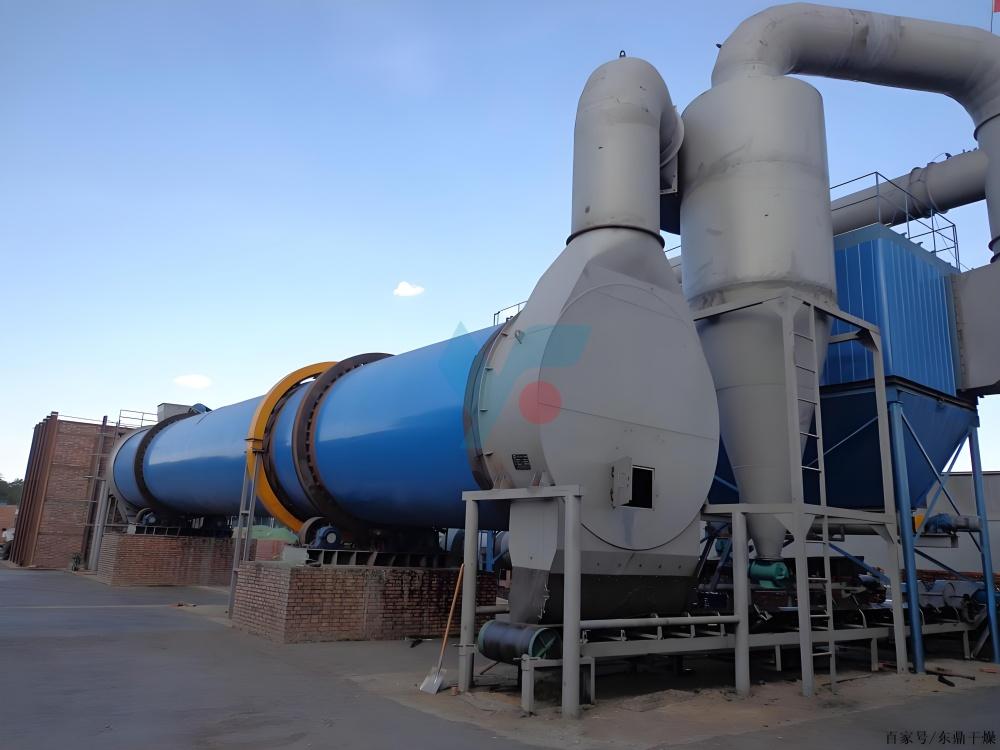
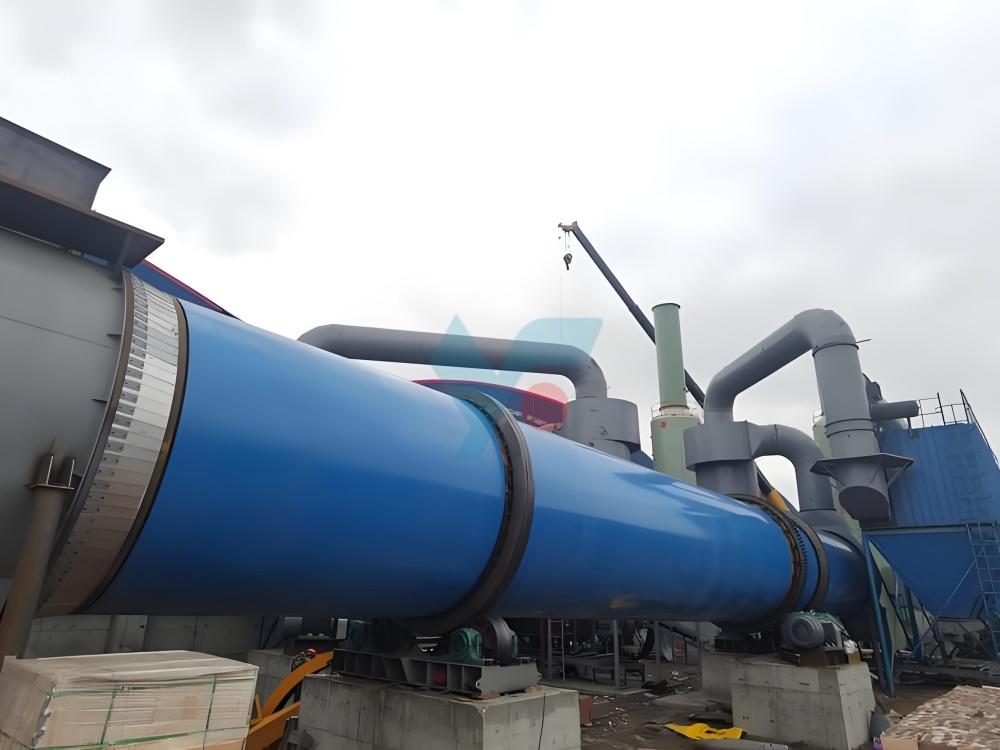
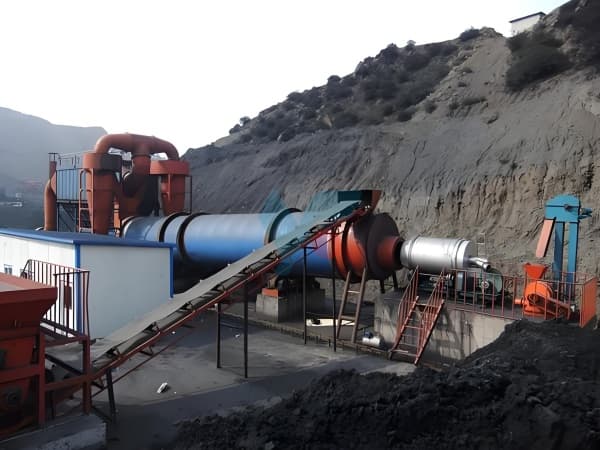
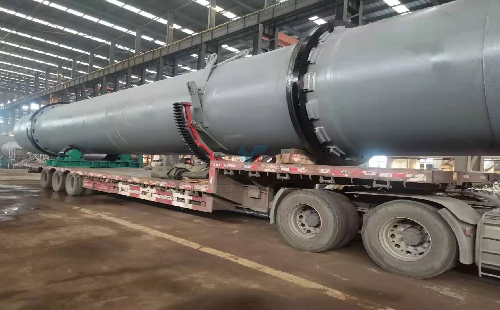
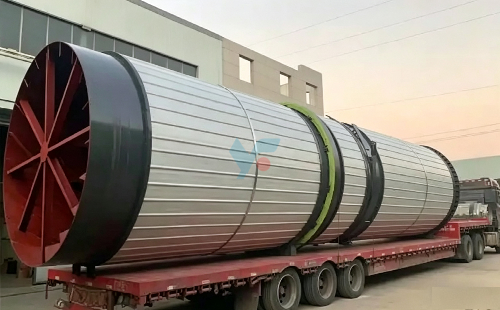
Through development, fly ash has been applied in construction, building materials, water conservancy and other sectors. The fly ash dryer adopts a co-current or counter-current drying process; through full contact between hot air and the material, it achieves rapid evaporation of moisture, improving the storage, transport and reuse performance of fly ash. The equipment has been specially optimized for the characteristics of fly ash—"high initial moisture, light specific gravity, poor fluidity and easy adhesion to walls"—and offers high thermal efficiency, large processing capacity, stable operation, low energy consumption and a high degree of automation.
Working principle:
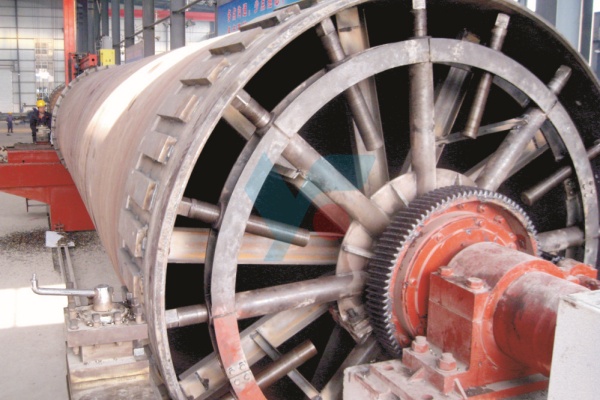
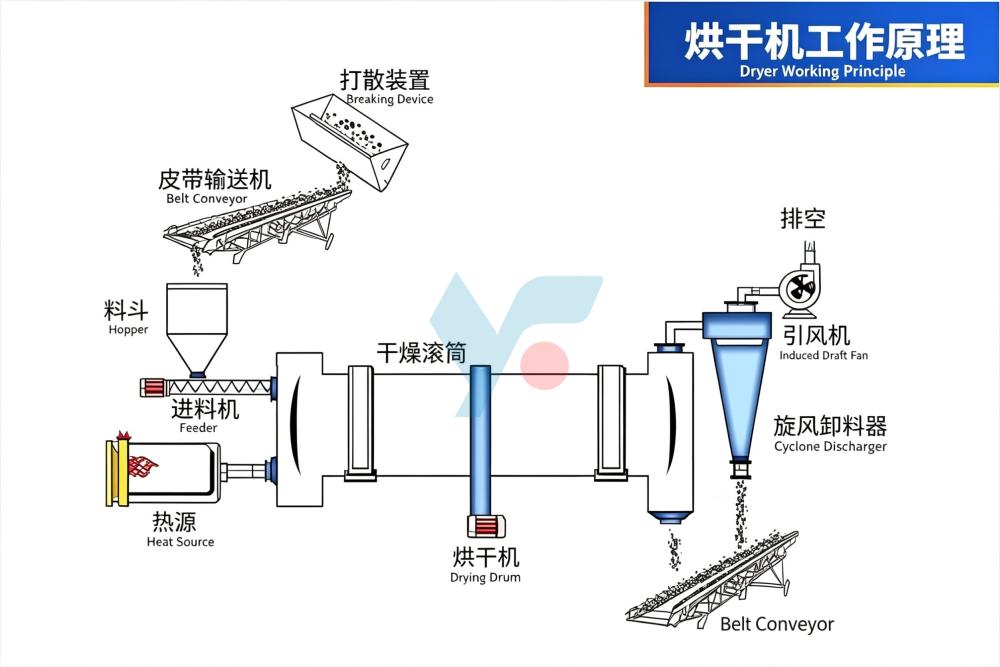
Wet fly ash is fed by conveying equipment into the interior of the dryer drum. Under the rotation of the drum and the action of the lifting flights, the material is continuously raised and brought into full contact with the high-temperature hot air, so the moisture evaporates rapidly. The dried fly ash is discharged through the discharge device, while the dust in the exhaust gas is collected and treated by the dust-removal system.
The heat source may use:
- Gas hot-blast furnace
- Natural gas burner
- Pulverized-coal hot-blast furnace
- Biomass combustion furnace
- Diesel/heavy-oil burner
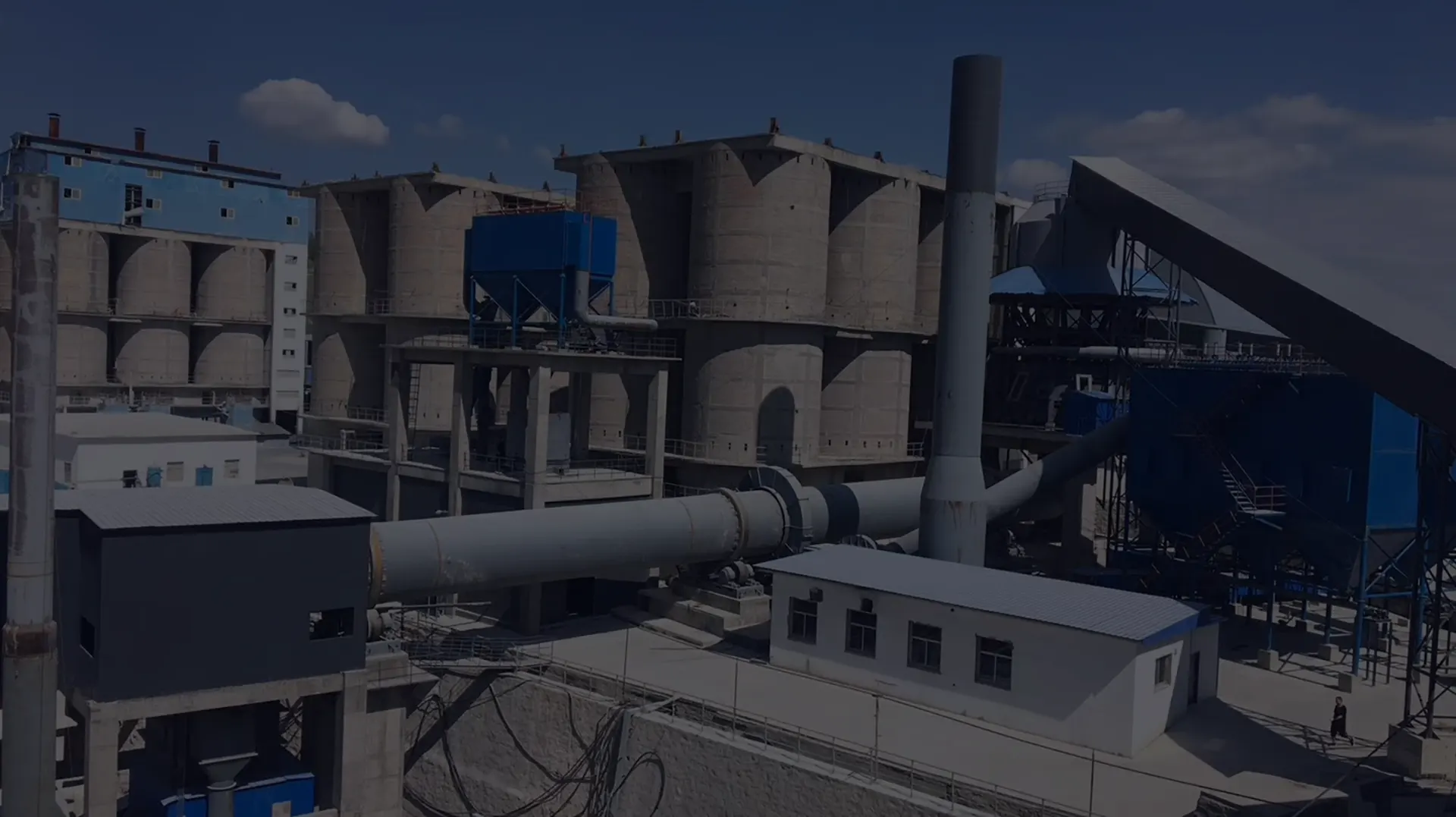
Fly ash drying system
- 1. Heat source system
- 2. Conveying system
- 3. Drying system
- 4. Dust-removal system
- 5. Material silo
- 6. Electrical control system
Fly ash drying process flow
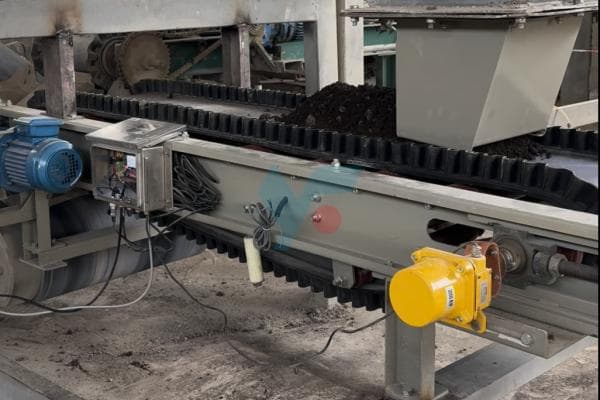
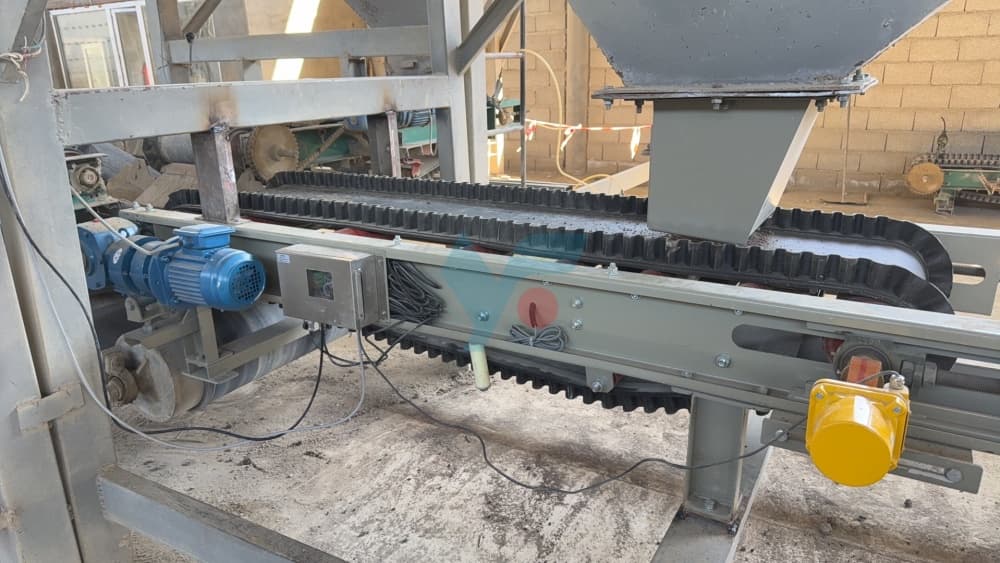
1. Fly ash breaking-up and feeding system: Wet-discharged fly ash from the power plant undergoes flotation; after flotation, the initial moisture of the fly ash is around 28%. After preliminary natural drying in the storage yard, the moisture drops below 18%. The main function of the breaking-up and feeding system is: to pass the agglomerated wet fly ash through the breaker so that the lump size of the agglomerated wet-based fly ash is ≤30 mm, and then convey it by belt conveyor into the dryer. This system mainly consists of a receiving hopper, a breaker, a flat belt conveyor, etc. The quality of the breaking-up directly determines the capacity of the drying system. Among them, the equipment near the dryer feed inlet uses heat-resistant equipment with good sealing performance.
2. Heat supply system: Generally, a fluidized-bed furnace, a coal-feeding machine, a blower and other equipment are selected to ensure a stable supply of high-temperature hot flue gas.
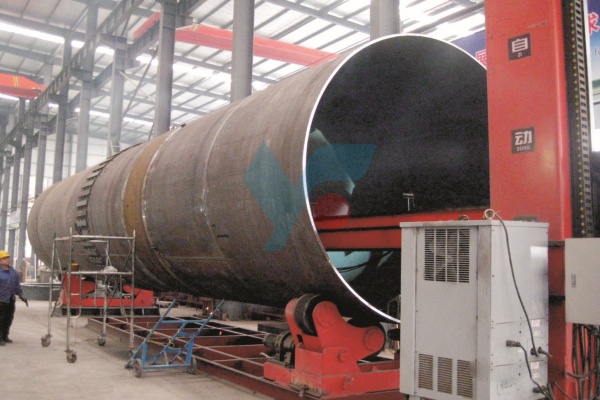
3. Dryer: A sealed feed-head hood, a screw pusher, a triple-drum dryer, a dust-collecting exhaust and discharge tail hood, etc. are selected to complete the heat exchange between the high-moisture material and the high-heat flue gas.
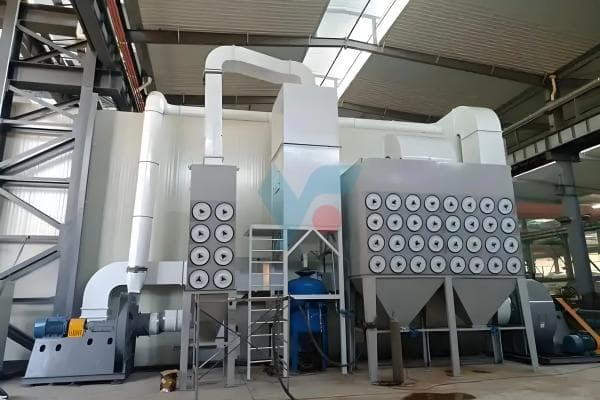
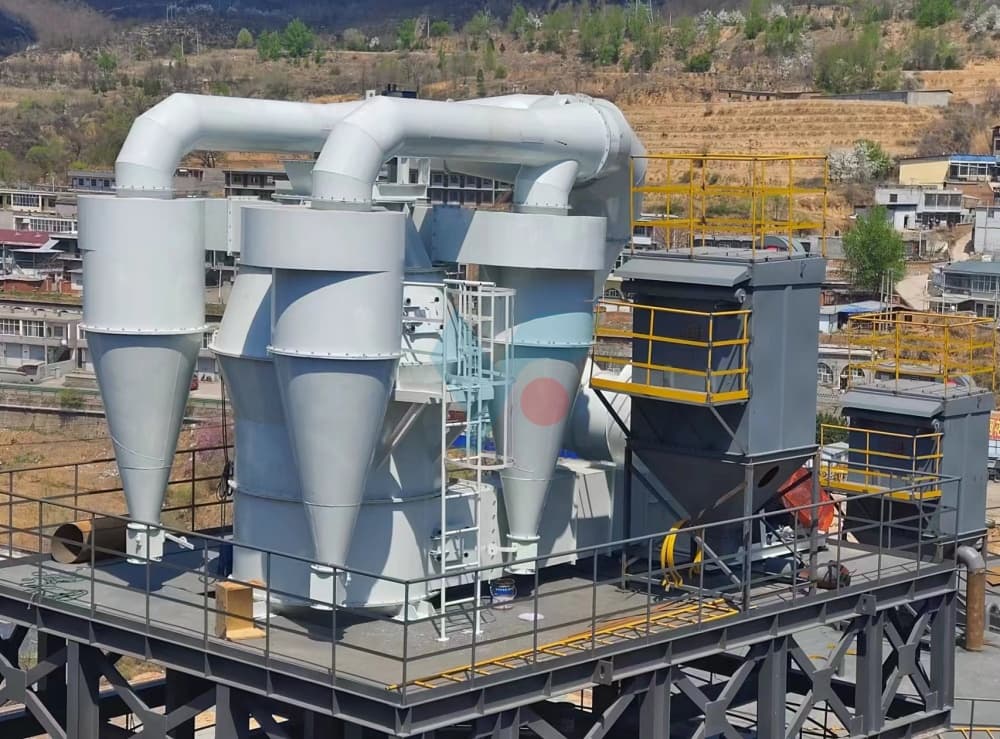
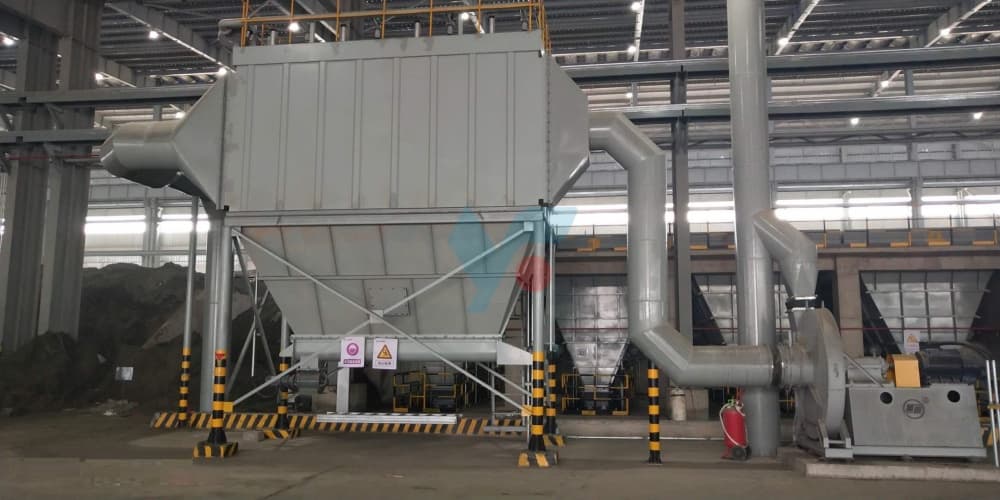
4. Dust-removal system: A gas-box pulse bag filter, a system induced-draft fan, etc. are selected. The dust collector collects the fine particles generated during the drying process and at the same time achieves compliant emission of the drying system's exhaust gas.
5. Power-distribution and measurement-control system: A complete set of power-distribution devices, a measurement-control console, an industrial television monitoring system, local operation boxes, communication equipment, an industrial control computer and other electrical equipment are selected to achieve centralized control or local control of the entire drying system.
6. Finished-product conveying system: The dried finished product is conveyed directly to the next stage for classification or grinding.
Technical features of fly ash drying
1. Good drying effect and large processing capacity. Hot flue gas is in direct contact with the wet fly ash, drying with a co-current process; the heat exchange is full, the drying effect is good and the capacity is large.
2. The dual breaking-up system is effective, ensuring that the broken-up wet fly ash lumps are smaller than 30 mm, thereby guaranteeing the drying effect of the fly ash.
3. High degree of automation and simple operation. The system has a high degree of integration and is equipped with a fully automatic intelligent monitoring system, which monitors in real time the temperature, pressure and other parameters at the main parts such as the hot-blast furnace chamber, the dryer inlet and outlet and the induced-draft fan inlet. System operation achieves automatic control and adjustment, continuous automatic parameter acquisition, fault alarm and safety interlock protection, etc.
4. The vibrating feeder, dryer, induced-draft fan, blower and other equipment adopt variable-frequency speed regulation. Appropriate rotation speeds are used according to the needs of output and operating parameters, which not only facilitates regulation but also saves a large amount of energy.
5. Good emissions. The exhaust gas uses a gas-box pulse bag filter, which not only achieves the collection of dry fly ash but also meets emission standards.
6. Good working environment. The drying system operates in a fully enclosed negative-pressure professional manner, with no dust escaping.