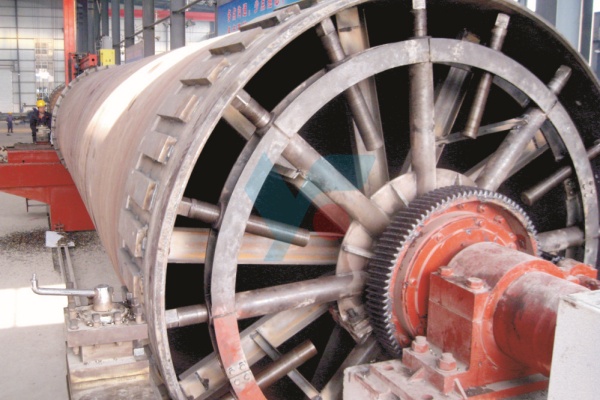

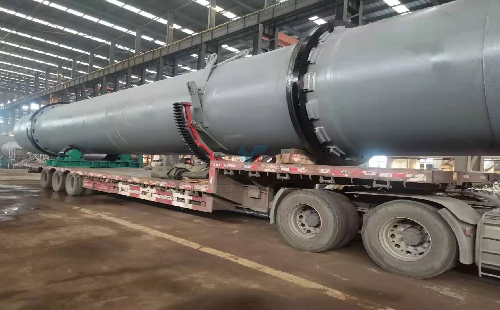
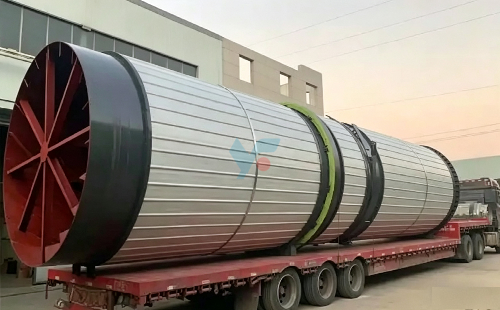
Slag Rotary Dryer
Description
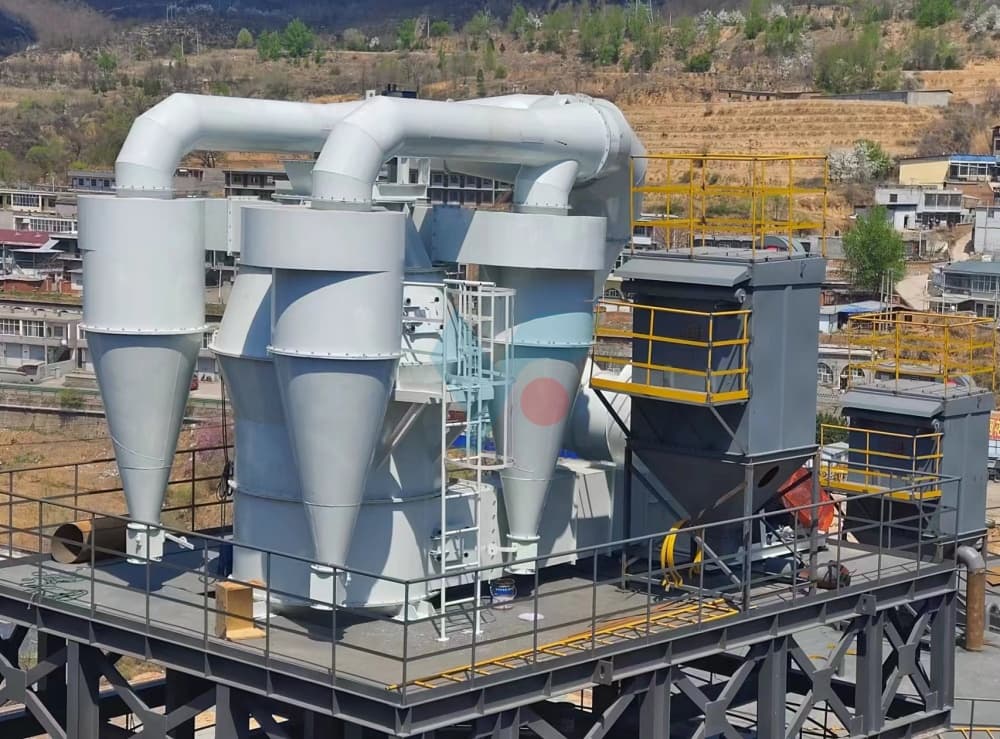
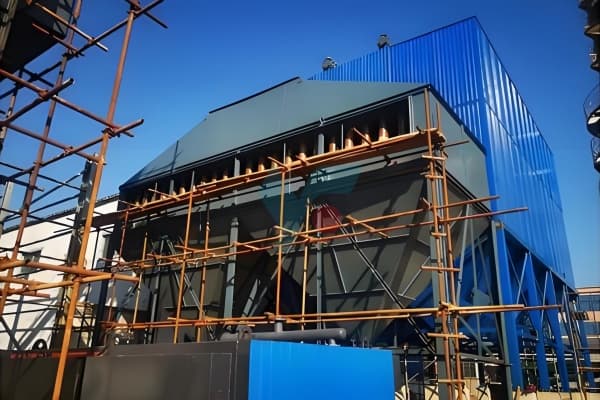
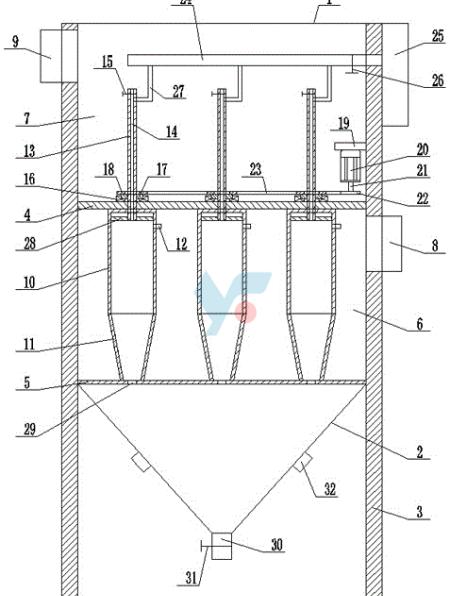
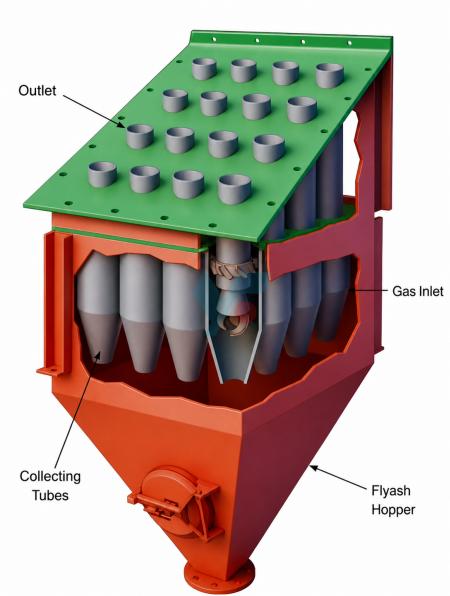
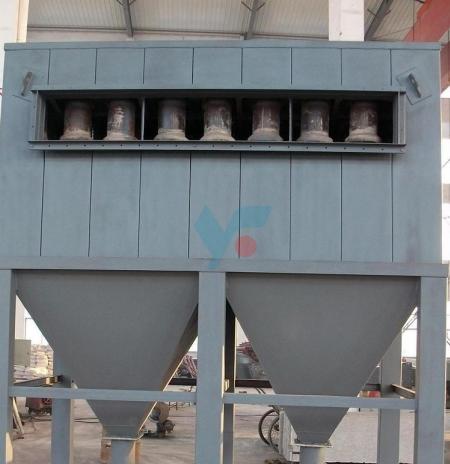
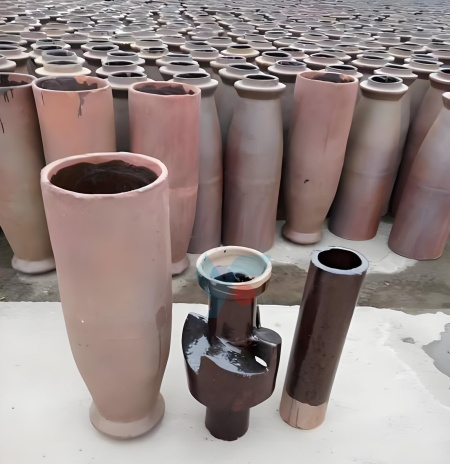
The XTD ceramic multi-tube filter is high-efficiency dry inertial-cyclone dust-collection equipment. Its structure is built on the principle of multiple cyclone elements connected in parallel, with a wear-resistant ceramic lining. The equipment offers high wear resistance, high-temperature stability, a compact structure and reliable operation. The working principle is based on the use of centrifugal force to separate dust from the gas stream.
Widely used in:
- coal-fired boiler installations;
- the cement industry (high-temperature gases);
- metallurgy;
- furnaces and kiln units;
- the chemical and building-materials industries.
Especially suitable for conditions of high temperature, high abrasiveness and high dust concentration.
Working principle
Dust-laden gas enters the collector housing and passes into the cyclone elements, where a high-speed rotating flow is generated.
Under centrifugal force:
- coarse dust particles are thrown against the cyclone walls;
- then slide down into the dust hopper;
- the cleaned gas is discharged through the central tube.
The ceramic lining provides high resistance to abrasive wear and significantly extends the service life of the equipment.
Equipment features
- High wear resistance. The ceramic lining effectively protects the equipment when handling abrasive dust.
- High-temperature resistance. Suitable for long-term operation with high-temperature gases.
- High separation efficiency. The multi-tube parallel design improves cleaning efficiency.
- Compact structure. Small footprint, easy installation and integration into existing systems.
- Low operating costs. The absence of filter elements reduces maintenance costs.
Field of application
- pre-cleaning of boiler flue gases;
- cement rotary kilns (pre-cleaning);
- high-temperature dust-cleaning systems;
- metallurgical furnaces;
- gas conditioning ahead of bag filters;
- primary dust separation in process lines.
Equipment advantages
- high resistance to abrasive wear;
- operation under high-temperature conditions;
- simple structure and low operating costs;
- no filter bags or consumable elements;
- extends the service life of downstream equipment (bag filters / electrostatic precipitators).